Skip to content
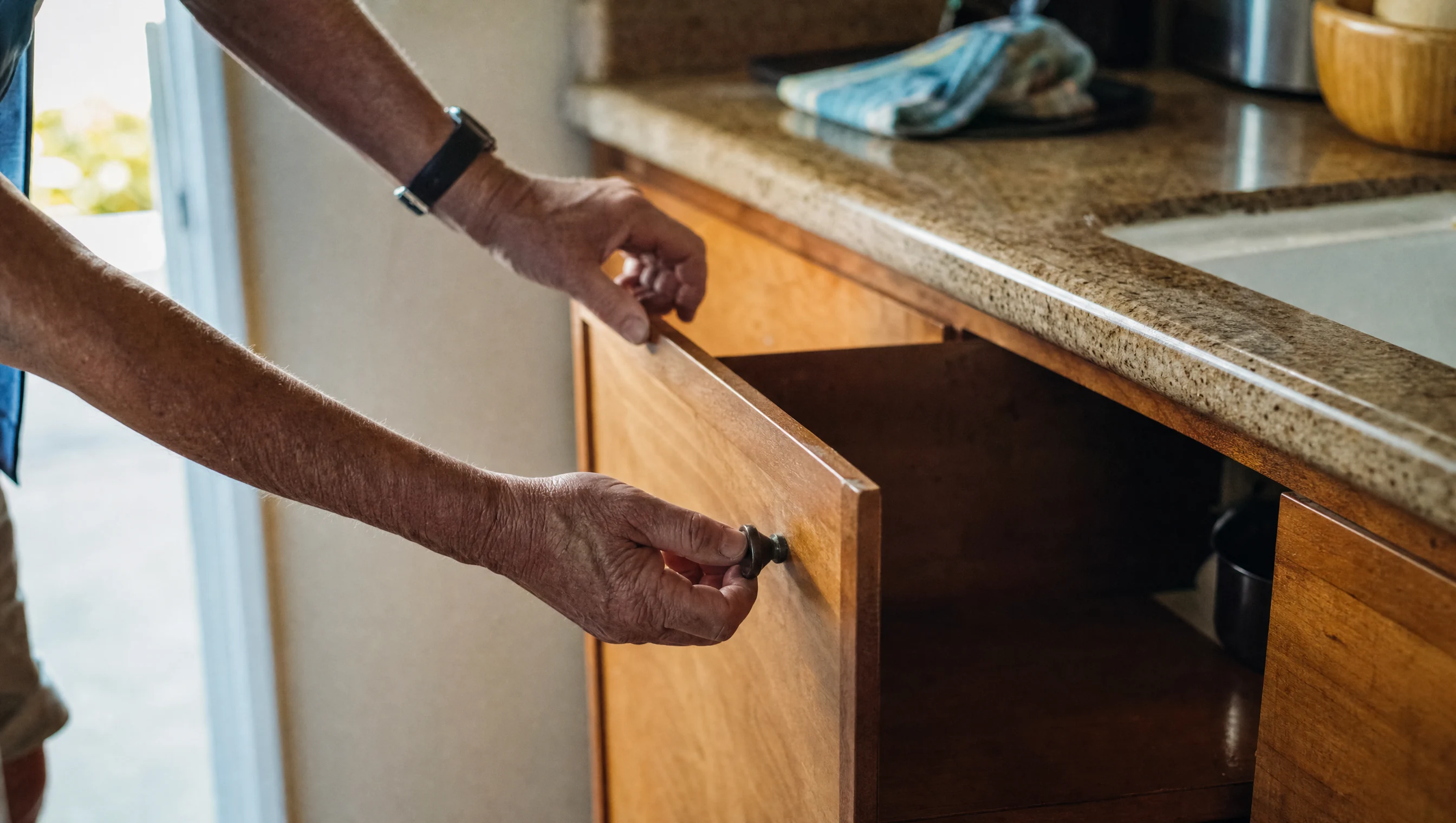
Renter checking a kitchen cabinet during a Los Angeles apartment showing

Kitchen and Appliance Assessment

The kitchen reveals more about a property's maintenance history than any other room.

Check the oven for rust, grease buildup, and broken racks. Run every burner. Test the garbage disposal. Check dishwasher racks for mold.

Tip: The model number plate (inside the dishwasher or fridge door frame) shows the manufacture date. Appliances over 15 years old will likely need replacement during your tenancy.

Run hot and cold water simultaneously for at least 60 seconds. Low pressure or slow drainage signals plumbing issues that won't improve after move-in. Note how long hot water takes to arrive and whether pressure drops with both taps open.

Open every cabinet. Check hinges and closure. Look for pest evidence: droppings, egg casings, or dark specks in corners. Warped cabinet bottoms indicate water damage.

Feel along countertop edges and around the sink for chips, cracks, and gaps in caulking. Stains on laminate are cosmetic; gaps around the sink are structural.

Check for a range hood or exhaust fan. Without either, cooking odors and grease accumulate throughout the unit.
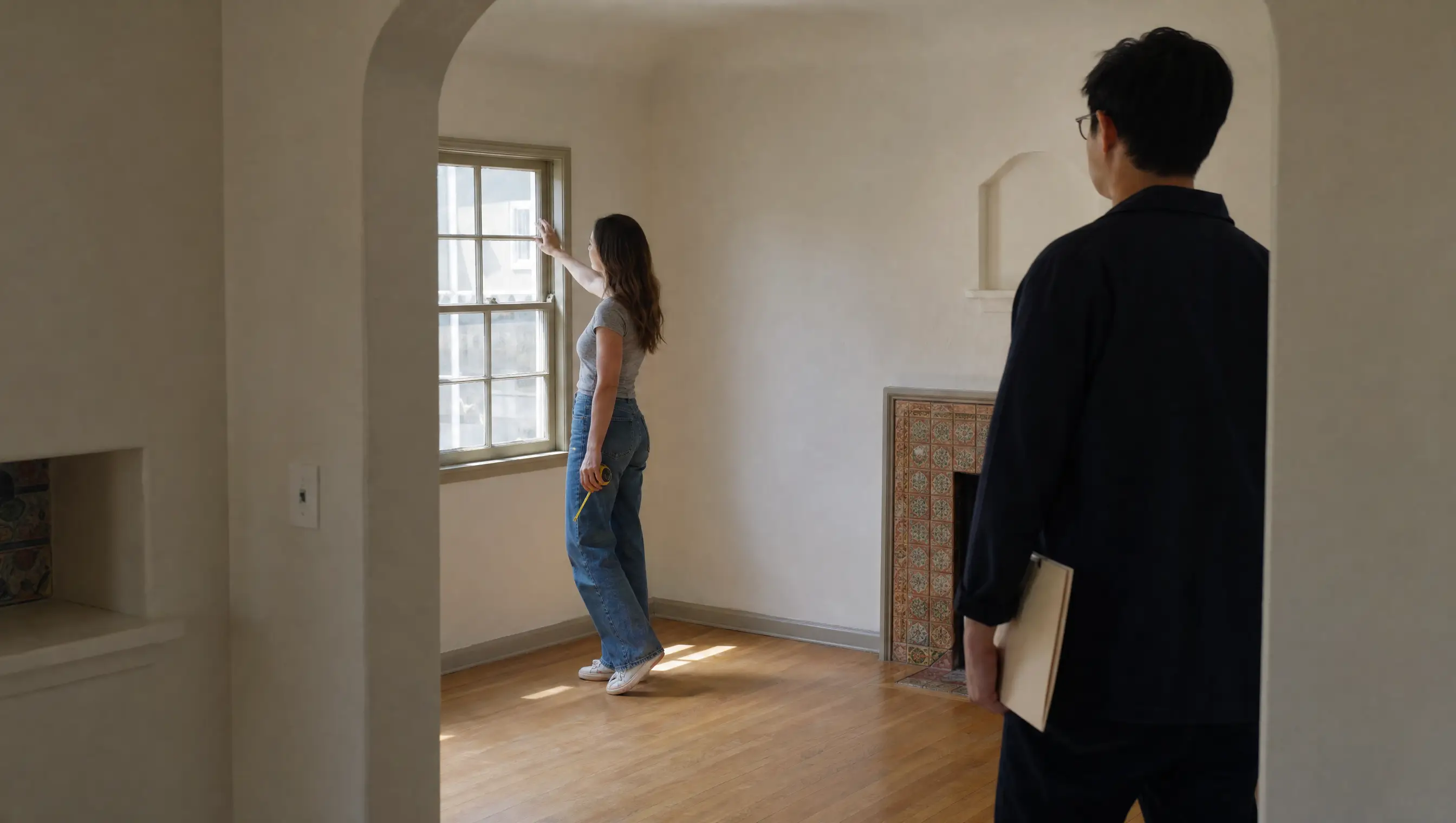
Two renters evaluating window light and room flow during a Los Angeles showing

Layout and Flow

A floor plan can look perfect on paper and fail in practice. These are things you can't assess from photos.

Visit at different times of day if possible. A unit bright at noon can be dark by 3 PM. North-facing units get consistent indirect light; south and west-facing get strong afternoon sun, affecting cooling costs.

Count closets and check their depth. Many older LA apartments have shallow closets that won't fit standard hangers. Note linen storage, pantry space, and coat closets.

Before moving day: Measure doorways, hallway widths, and tight corners. Confirm large furniture will physically fit through the path from entrance to room.

Stand still and listen for at least five minutes for neighbor noise through walls, traffic, HVAC systems, and elevator machinery. Visit during evening hours if possible, when the building is most occupied.

Test your cell carrier in every room. Older buildings with thick walls can create dead zones. Essential if you work from home or rely on cellular data.

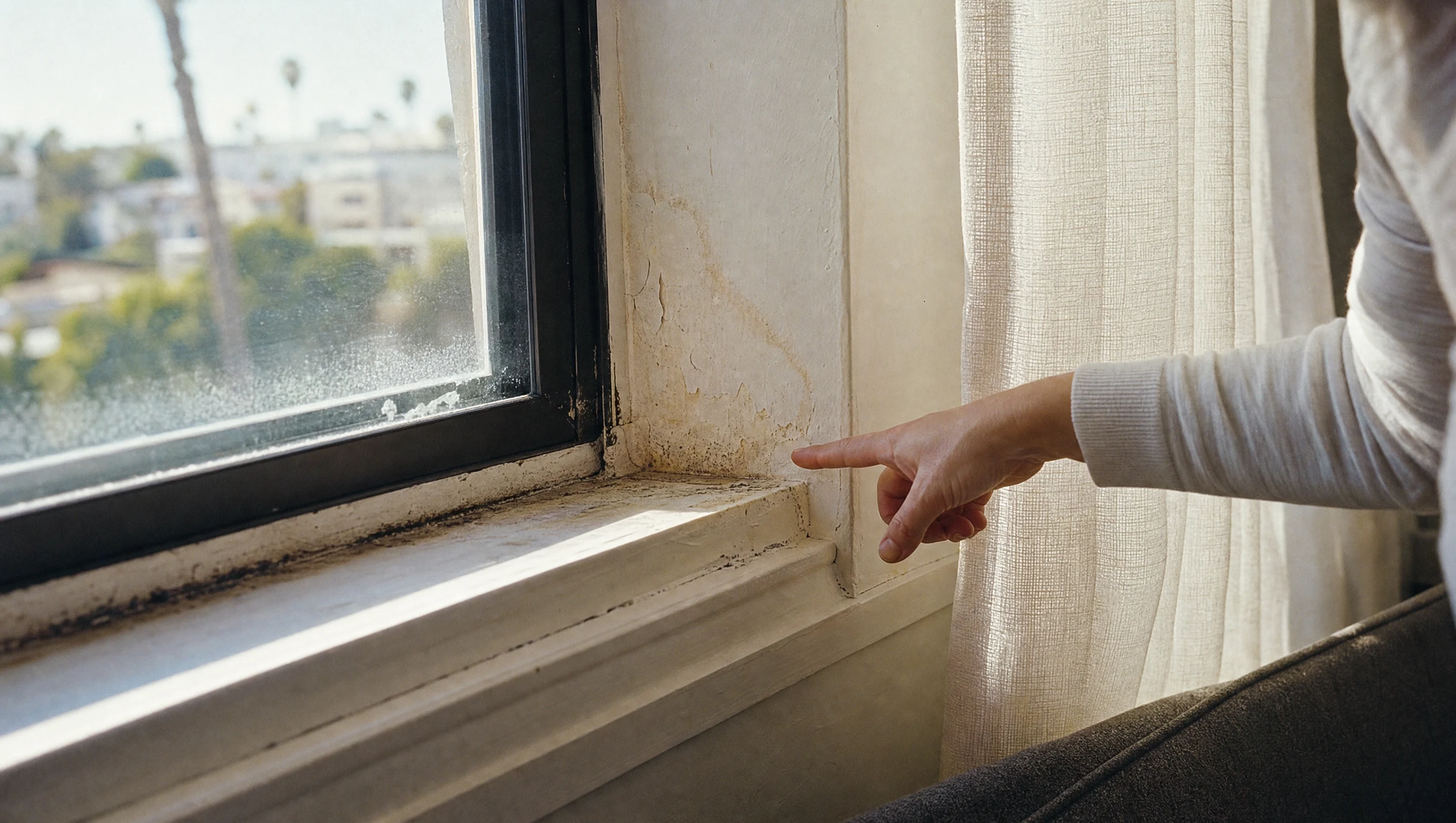
Early moisture damage around a window with staining, peeling paint, condensation, and dark speckling along the sill

Water Intrusion and Moisture

Water damage is the most expensive problem a rental can have, and often concealed. Check every room.

Look up. Ceiling discoloration, especially near bathrooms or the unit above, indicates leaks. Brown or yellow rings are water stains. Bubbling or peeling paint means active moisture.

Inspect caulking around tub, shower, and sink. Mold, gaps, or discoloration mean water is getting behind the wall.

Open the cabinet under every sink. Look for moisture, warped wood, drip stains, and musty smell. Leaks appear here first and are most often ignored.

Fog between window panes means the seal has failed and the window needs replacement. Also affects insulation and energy costs.

Musty smell, even faint, indicates hidden mold. Don't dismiss it.

Fresh paint on isolated surfaces (one bathroom wall, below a window) may conceal water damage. Ask why those areas were repainted.

Structural and Safety

These items affect your safety and are required by California law. A landlord who neglects them is telling you how they maintain the property.

Open and close every door and window. They should move smoothly and latch securely. Sticking or swinging open indicates foundation settling or frame damage.

Test every lock, including deadbolts and window locks. California habitability standards require working locks on entry doors and operable windows.

Bring a phone charger and test every outlet. Dead outlets indicate wiring problems. Confirm outlets near water sources have GFCI protection (the ones with small reset buttons).

California requires smoke detectors in all rentals, and carbon monoxide detectors in most (any unit with gas appliances, a fireplace, or an attached garage). Verify they're present with functioning batteries.

Walk every room slowly. Soft spots indicate water damage or subfloor deterioration. Uneven areas suggest foundation issues. Lifting tiles mean moisture beneath.

If the unit has stairs or a balcony, grip the railings and push. Loose railings are a safety hazard and code violation.

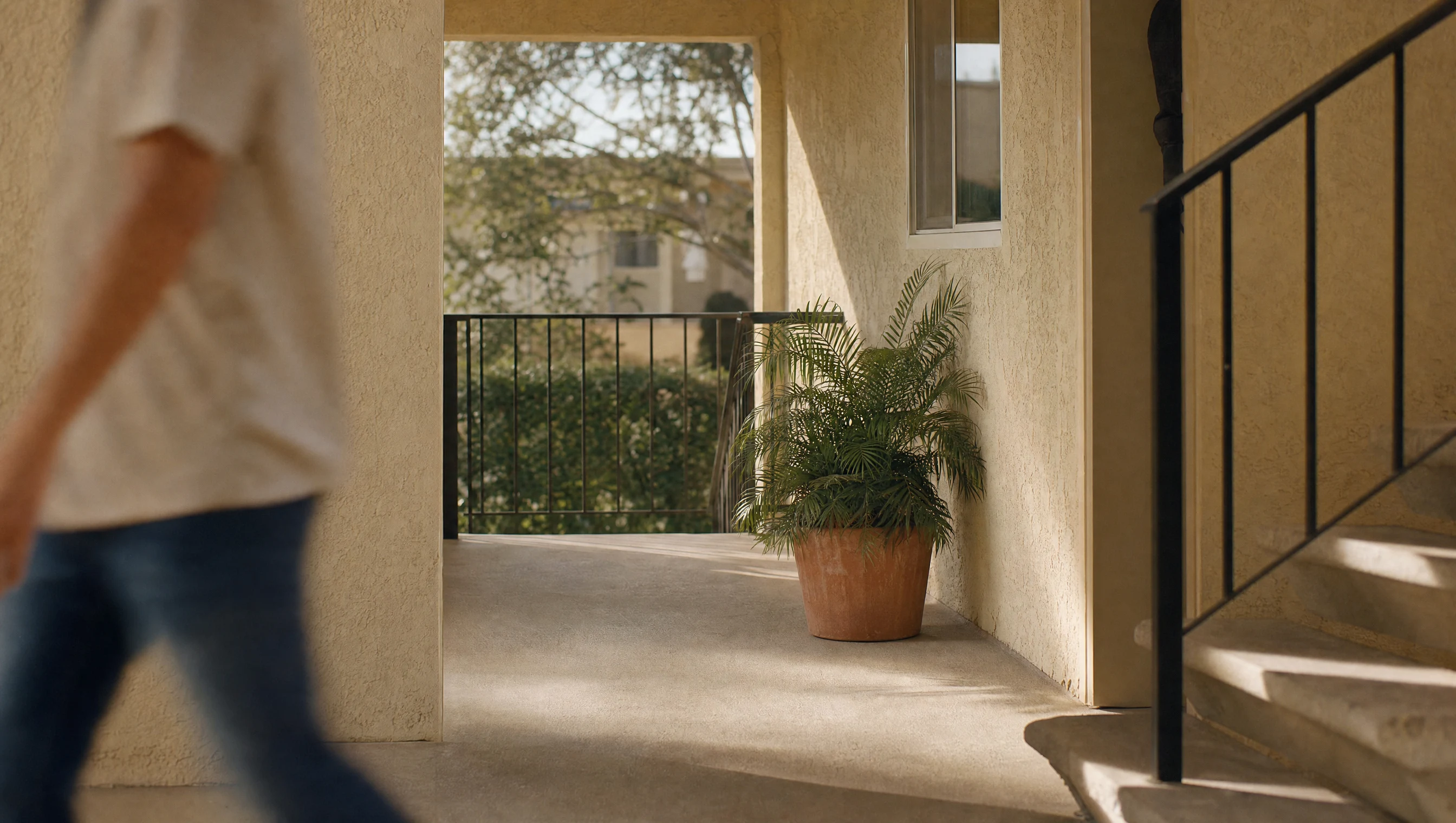
Well-maintained Los Angeles apartment common area in warm daylight

Slumlord Detection

The best time to identify a problem landlord is before you sign. These are the patterns Matthew watches for.

Landlords stage vacant units but not hallways, lobbies, laundry rooms, or parking areas. Common area condition reveals the true maintenance standard.

Individual vs. corporate ownership matters. Ask whether the owner is a person, LLC, or management company. Each has different responsiveness tendencies.

Ask directly: "What's the average response time for maintenance requests?" Vague answers are informative.

Multiple vacant units: when many tenants leave at once, it signals systemic problems.

No formal lease or cash-only rent: legitimate landlords use written leases and traceable payment. Cash-only suggests tax evasion, illegal units, or intent to avoid documentation.

Check LA's Problem Rental Properties database: prp.lacontroller.app. Shows code violations, complaints, and enforcement actions.

Ask a current tenant. Residents have no reason to oversell the building.

Matthew's Landlord Assessment

A good landlord is the most important factor in a positive rental experience. These are the signals Matthew uses.

Relocation clients evaluating an aspirational Los Angeles rental during a private showing

"I look at the landlord before I let a client fall in love with the unit."

  • How long have current tenants stayed? Long-term tenants signal a well-run building.
  • What's the landlord's maintenance philosophy? Proactive or only when forced?
  • Does the landlord live nearby? Local owners tend to be more responsive.
  • Have they renovated recently? Investment reflects pride of ownership.
  • Responsive communication during the showing process
  • Well-maintained common areas and landscaping
  • Long-term tenants who seem content
  • Visible pride in the property: clean, organized, cared for
  • Transparent answers about building history
  • Deferred maintenance: things that should have been fixed months ago
  • Evasive answers about ownership or management
  • High unit turnover: if nobody stays, there's a reason
  • Pressure to sign quickly without time to review the lease
  • Reluctance to put verbal promises in writing

The Visit Checklist

Bring this with you. Open it on your phone during the showing.

Quick Reference

  • Test all faucets and water pressure
  • Open every cabinet and check under sinks
  • Test every outlet
  • Check all locks on doors and windows
  • Listen for noise for at least 5 minutes
  • Test cell signal in every room
  • Photograph everything
  • Visit the neighborhood at night before signing
  • Check prp.lacontroller.app for violations
  • Ask a current tenant about their experience

Walk in prepared, walk out with the keys

The tools that turn showings into signed leases.

Or ask Matthew to attend your next showing.

Get Started

Ready to Tour With Confidence?

Tell us what you're looking for
and we'll help you evaluate it.

Free consultation. No obligation.

Found the one? Move-In Checklist → · Worried about a landlord? Know Your Rights →

← Back to the Guide