In-unit washer/dryer
The feature renters feel every week. In LA, it can change the entire rhythm of living in an older building.

Rent is only the first number. Use this to see the income target, monthly add-ons, and cash you may need before keys.
Budget read
Landlord income target
$108,000
Based on 3x monthly rent.
Monthly housing total
$3,235
Rent + estimated utilities + renters insurance.
Likely upfront cash
$6,000
First month + one-month deposit estimate.
Estimated utilities
$210
Based on 1 person in a 1 bed / 1 bath.
For 1 bed / 1 bath, this can work well when the building condition, neighborhood, and lease terms all line up. The best options still move quickly.
Estimates only. Exact deposits, included utilities, renter insurance, parking, and building move-in charges vary by property. Verify the lease terms before applying.
What changes depending on where you're moving from.
About $200/month less for a similar apartment with roughly 50% more square footage. No broker fees, more outdoor space and light.
Tradeoff: transit is far worse. Budget $300 - $600/month for a car (payment, insurance, gas, parking).
Nearly $1,000/month in savings on comparable apartments, with lower energy bills and more space.
Tradeoff: SF's walkability and transit don't translate. Factor in a vehicle.
A massive climate upgrade, but LA's sprawl means neighborhoods feel more isolated than Chicago's connected grid.
Big shift if you relied on the L. Rent is notably higher, but you save on heating and winter gear.
Austin can feel easier on space and newer buildings. LA is more expensive and more fragmented, but it gives you deeper neighborhood variety, stronger coastal access, and a much larger long-term real estate market.
Big shift: plan around traffic and parking before you fall in love with a neighborhood. A beautiful apartment in the wrong commute pattern gets old quickly.
Las Vegas usually gives you more space for the rent. LA gives you the career, coastal, cultural, and neighborhood upside that people are usually moving here for.
Big shift: expect older buildings, tighter parking, and more competition for well-located units. Your application packet matters more here.
This is why we built the Rental Resume
It packages income verification, credit context, rental history, and references into one document you can submit within minutes. When the landlord has 12 applications and yours is the only complete package, you're leading.
Assumptions from other cities can cost you.
What renters value most, from national and LA-specific surveys.
The feature renters feel every week. In LA, it can change the entire rhythm of living in an older building.
Not automatic in older apartments. Confirm the actual system, not just whether a vent exists.
Stand still during the showing. Listen for neighbors, traffic, elevators, and HVAC.
Older LA closets can be shallow. Open every door and check the actual usable depth.
In some neighborhoods, a space is not a perk. It is the difference between easy living and daily friction.
Often missing in pre-1980s buildings. Ask directly.
Valuable when it is usable, maintained, and not just brochure decoration.
A wider field guide to the areas renters ask about most. Each card uses the neighborhood image bank and opens the closest profile in our neighborhood guide.
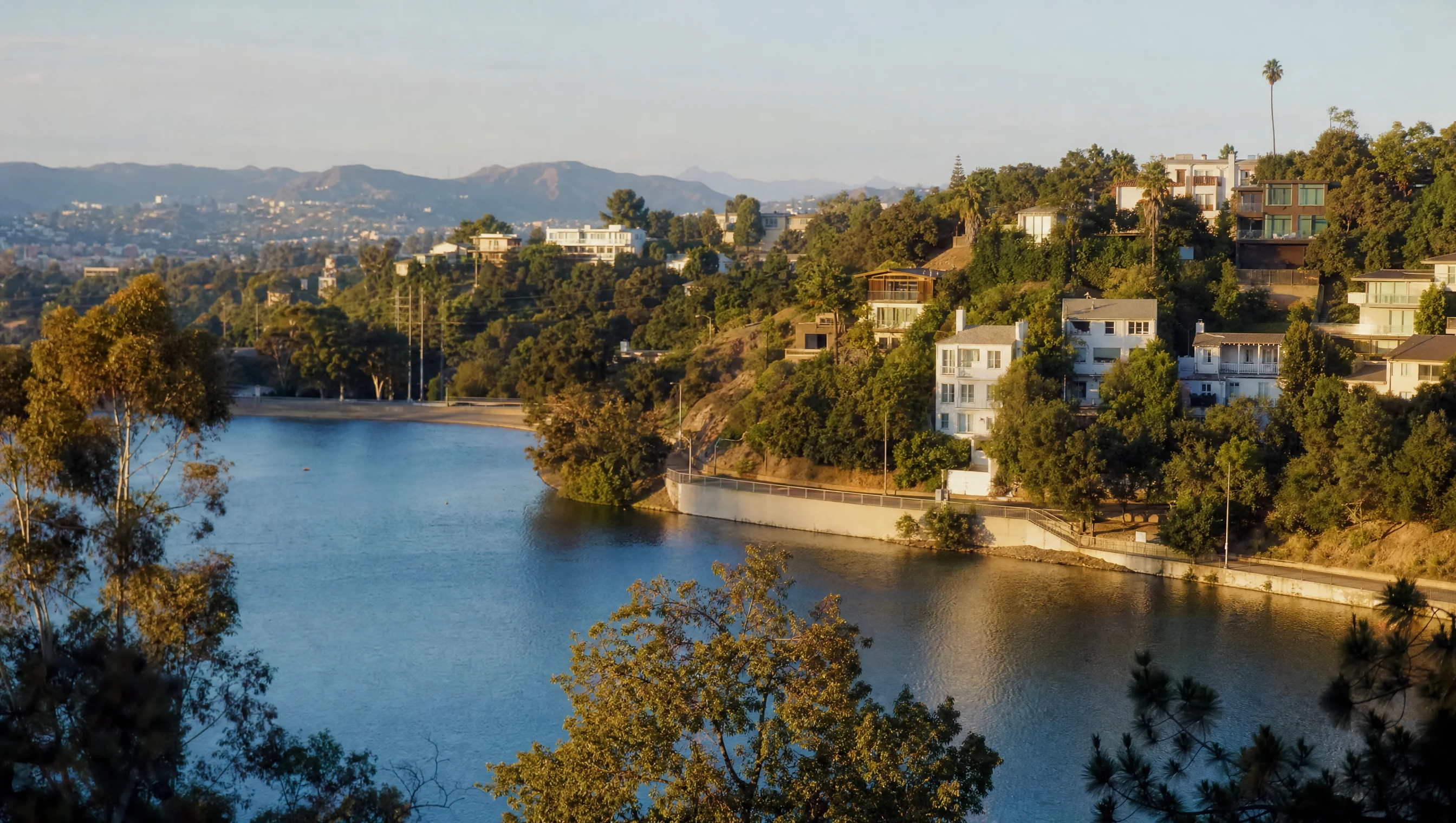
Reservoir walks, hillside apartments, and a creative Eastside rhythm that still feels residential.
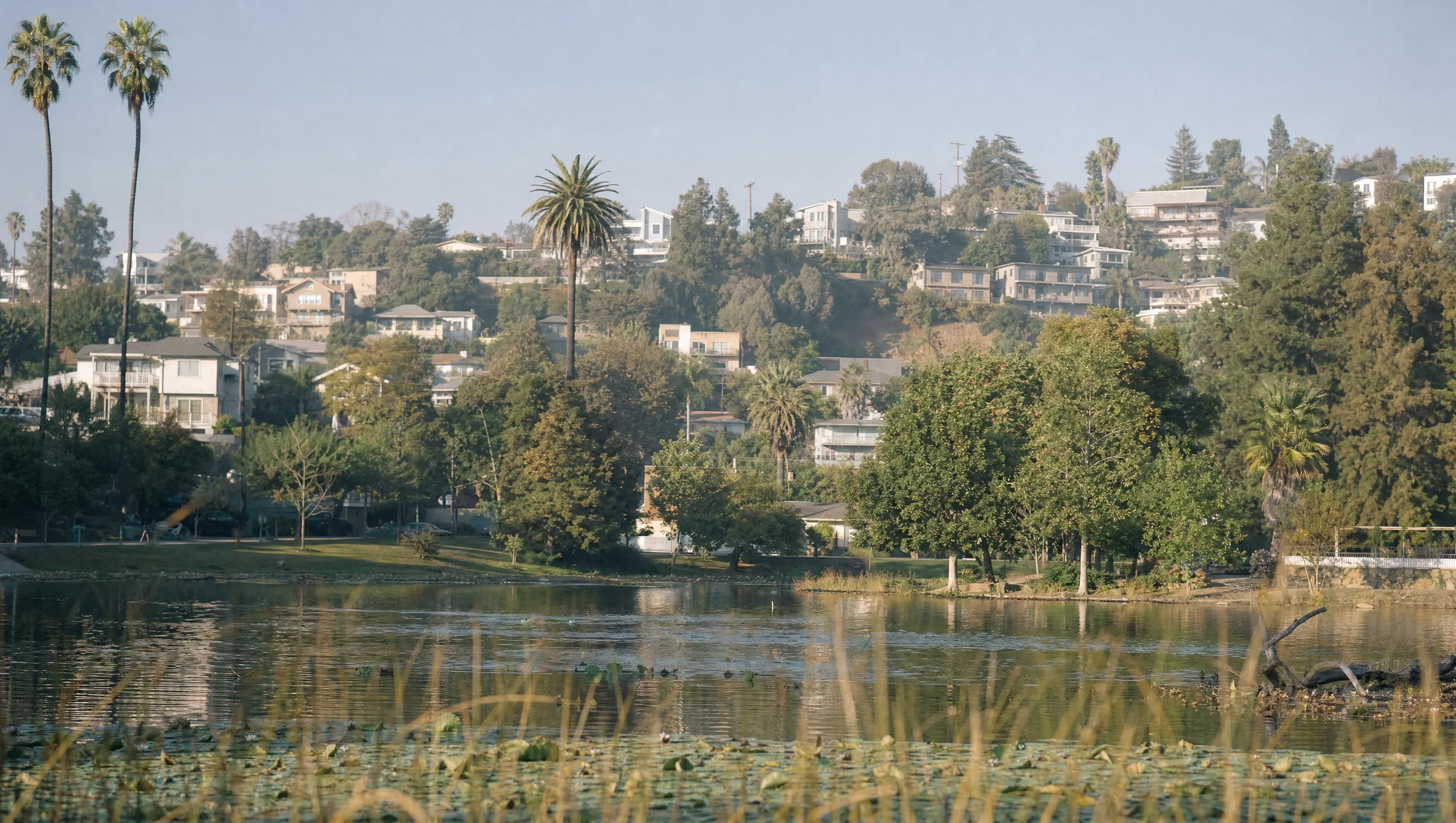
Lake views, older apartment stock, and a more textured neighborhood feel close to Downtown.
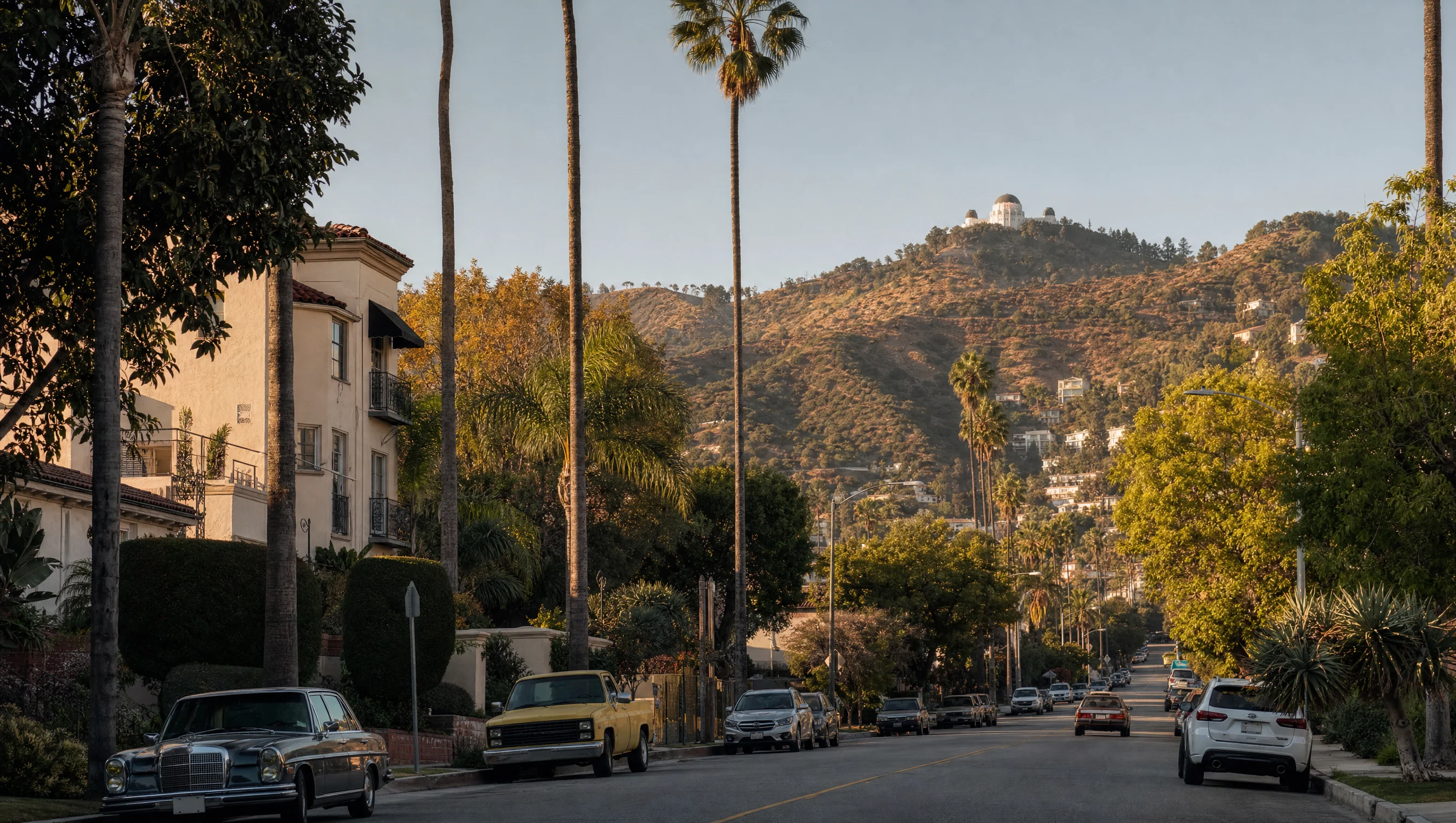
Village errands, Griffith Park access, and polished apartment streets below the hills.
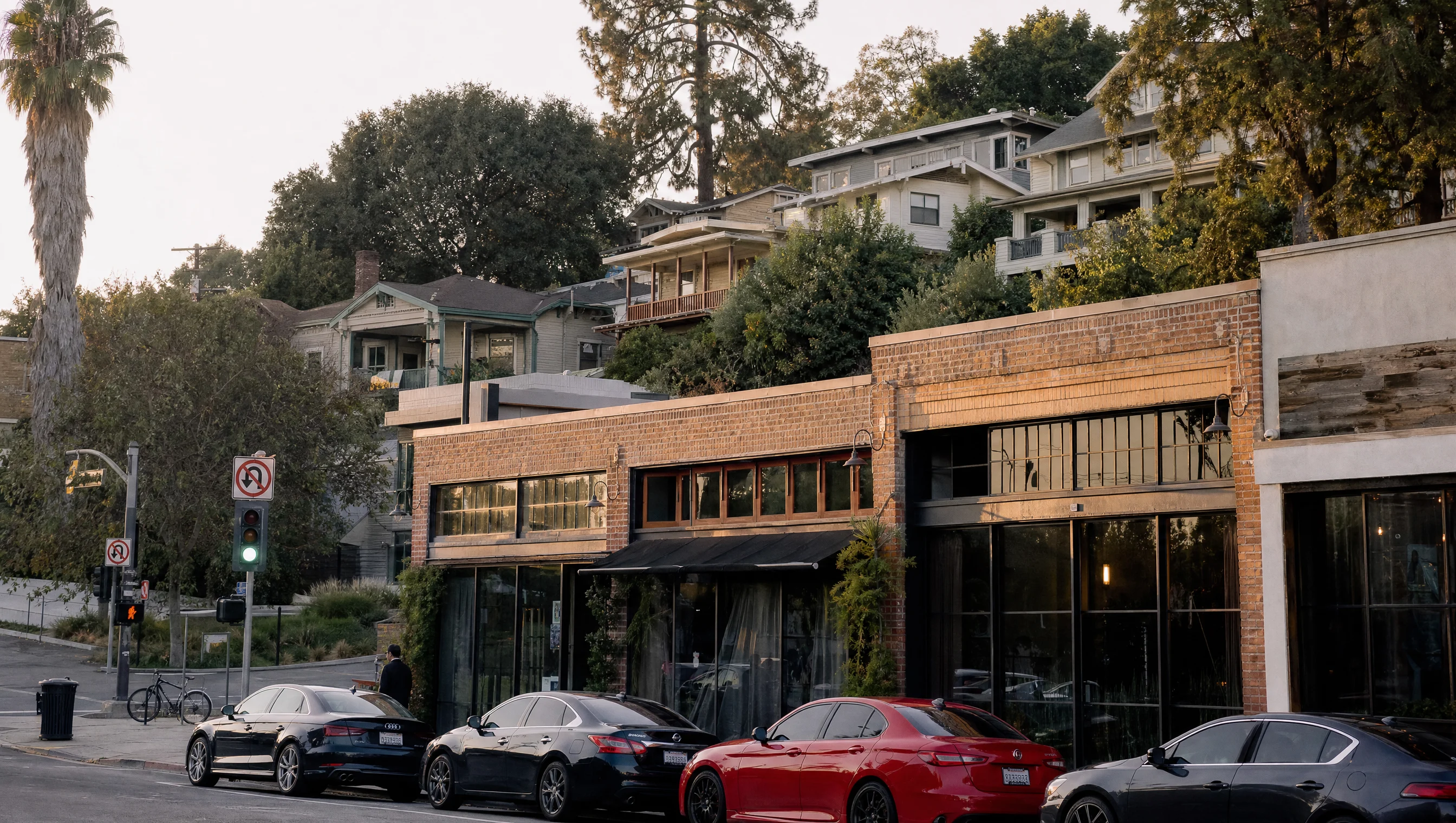
York and Figueroa energy, Craftsman texture, and a practical Eastside rental alternative.
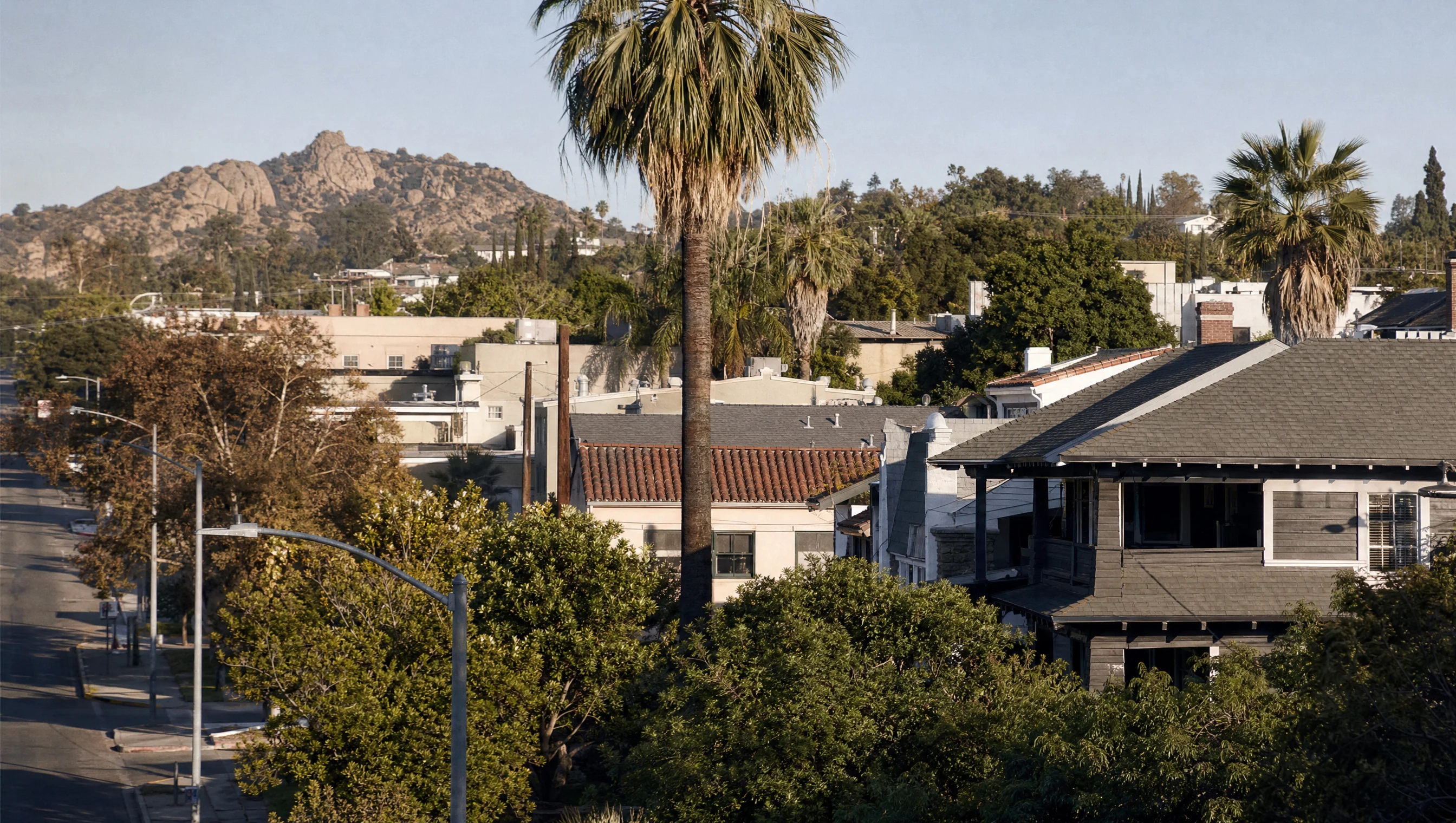
A calmer northeast pocket with family streets, independent shops, and mountain-edge light.
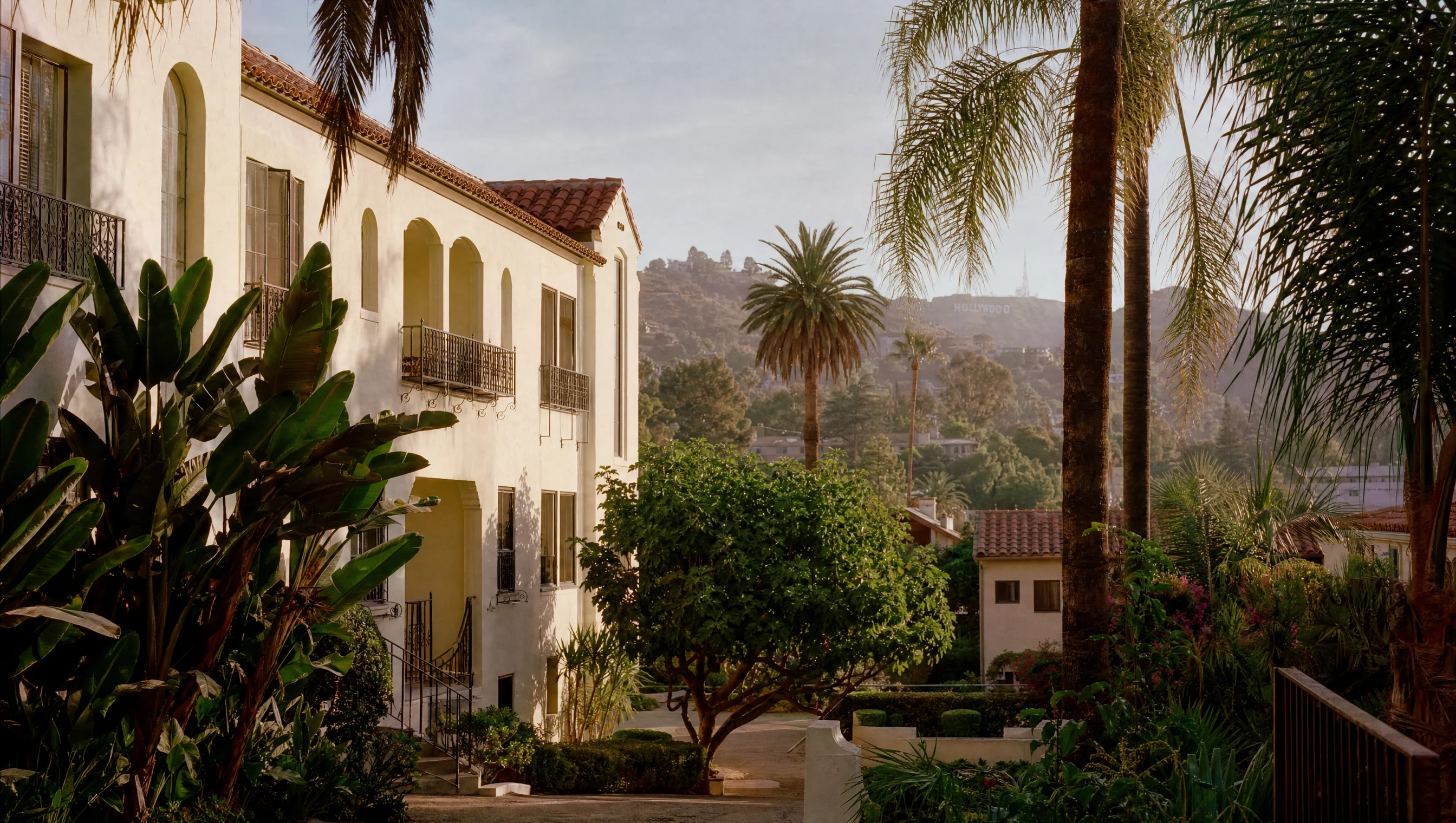
Skip the tourist strip and focus on quieter pockets around Franklin, Thai Town, and the hills.
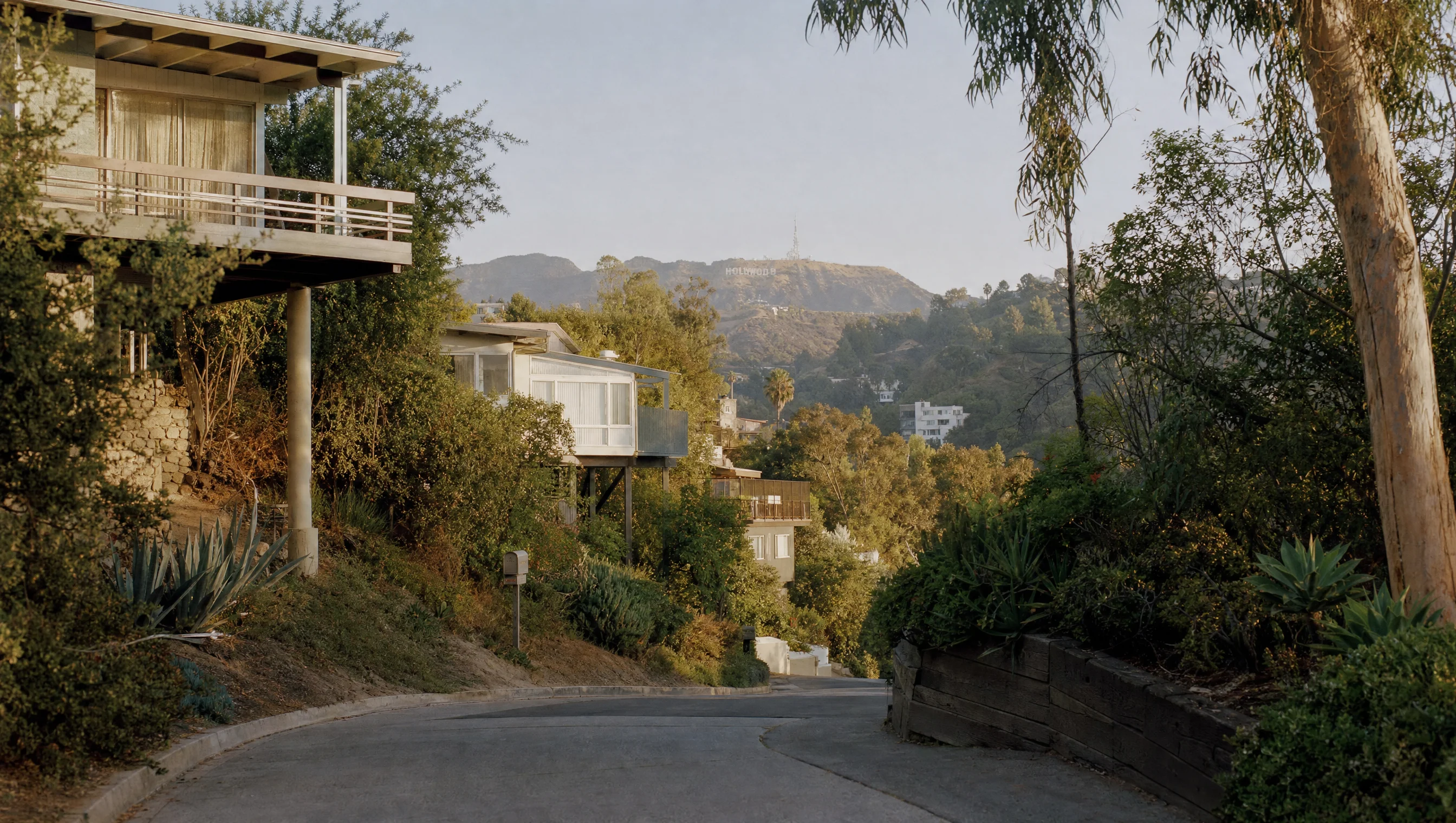
A hidden hillside pocket for renters who want quiet canyon air minutes from Hollywood.
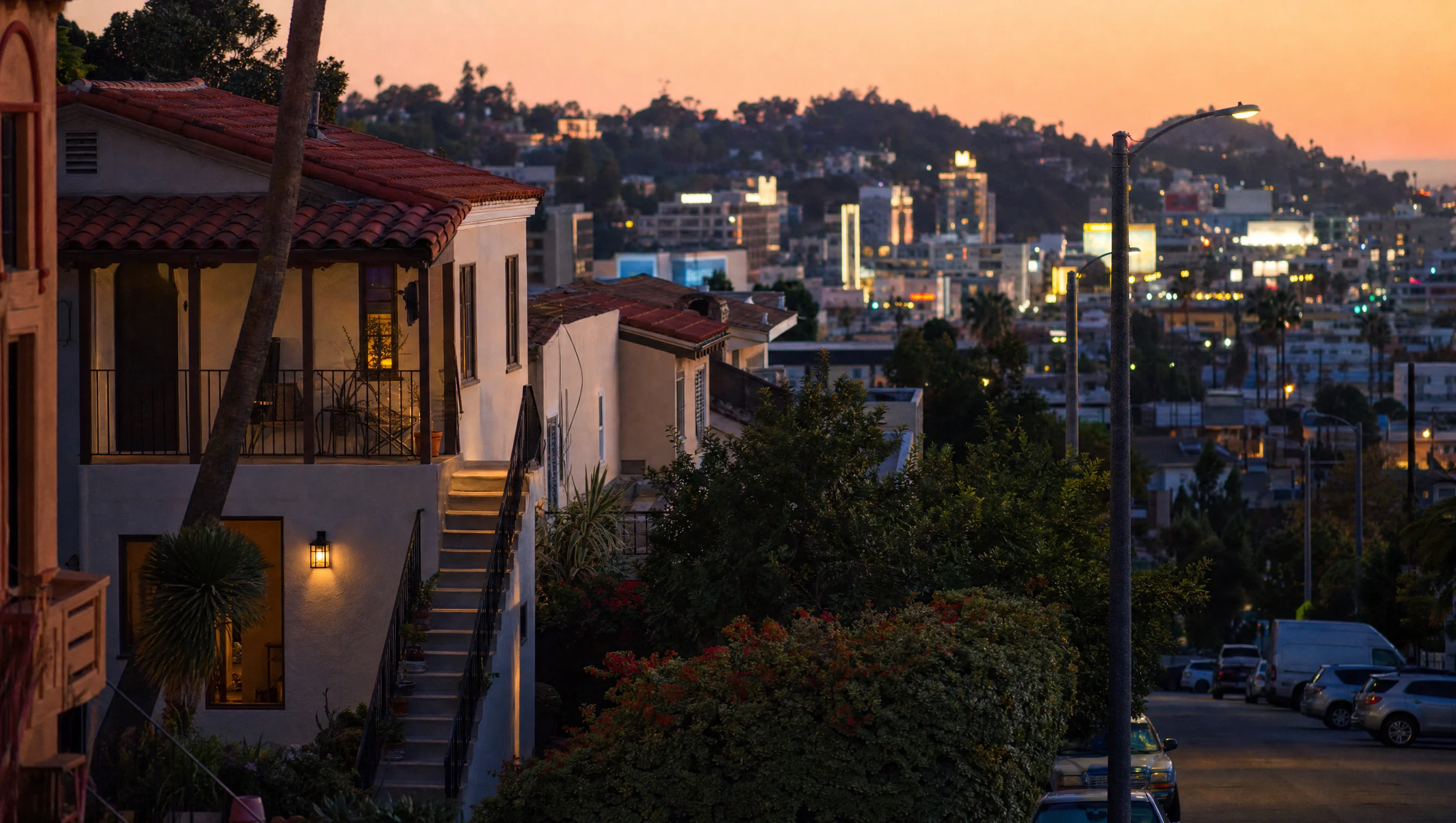
Walkable, social, and highly protected for renters, with real city energy at your door.
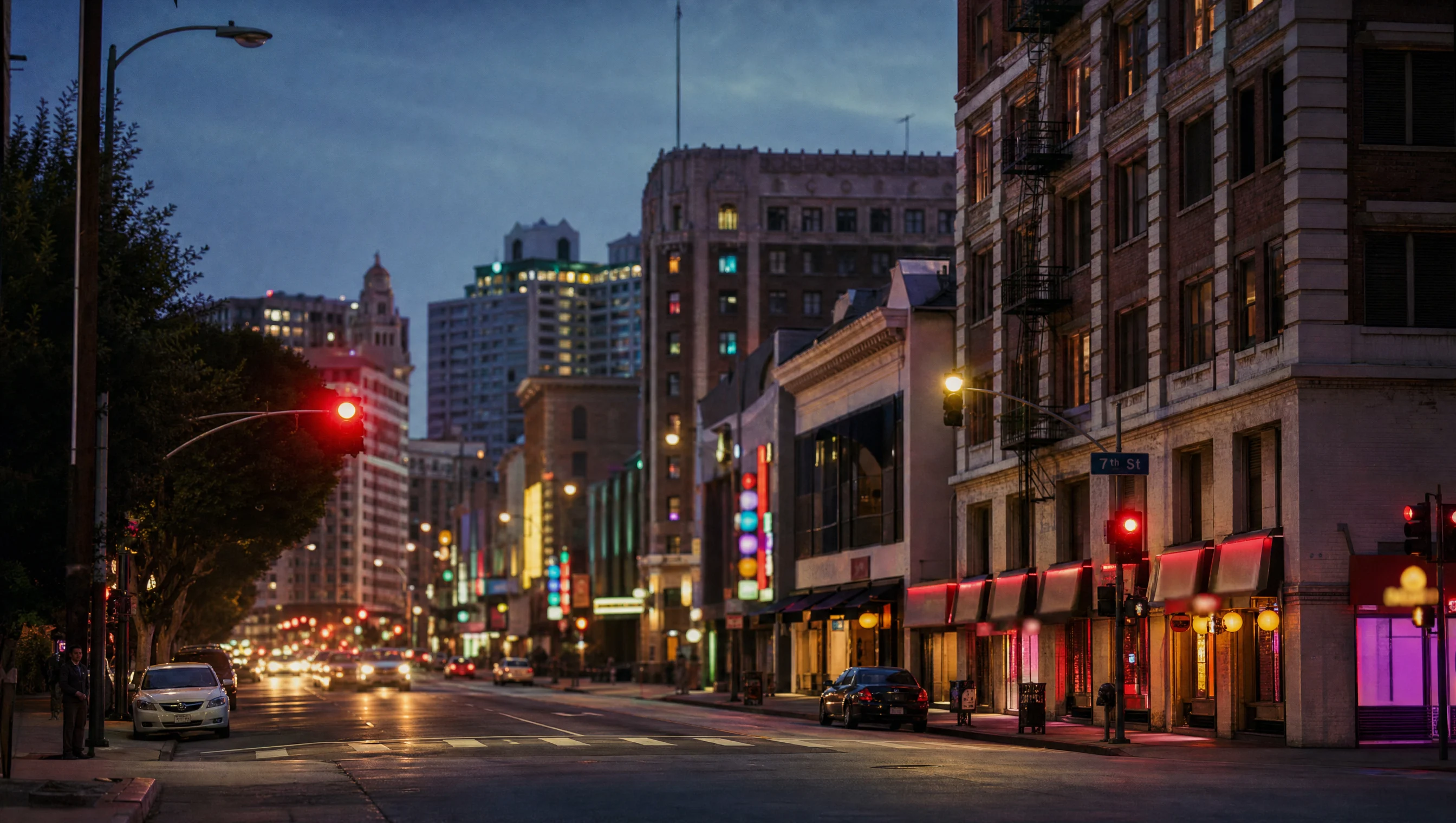
Dense, food-led, and transit-connected, with more city feeling than almost anywhere in LA.
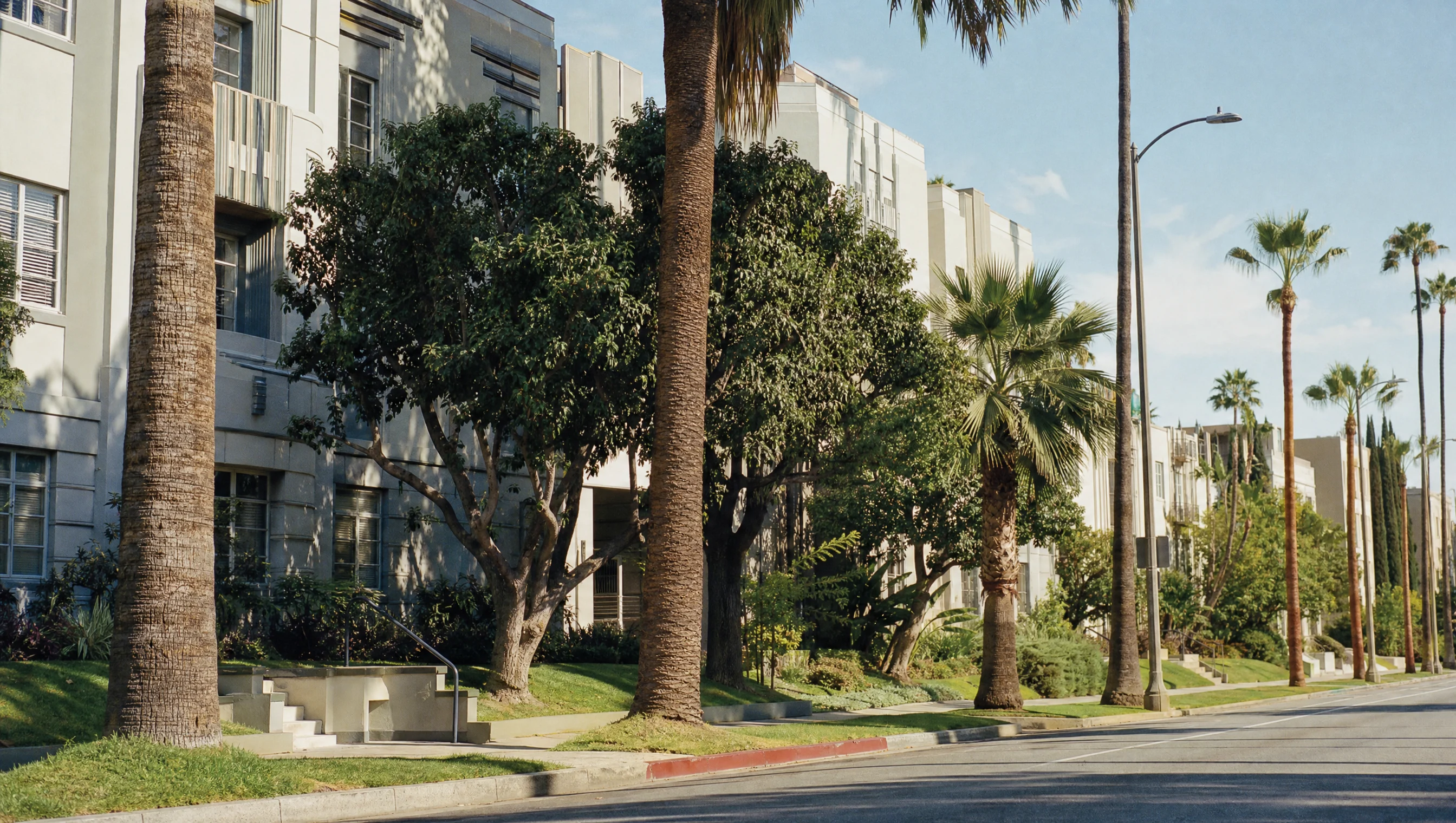
Central, practical, and architecturally richer than people expect from the middle of the city.

Lofts, historic cores, newer towers, and a lifestyle that works best when you want density.
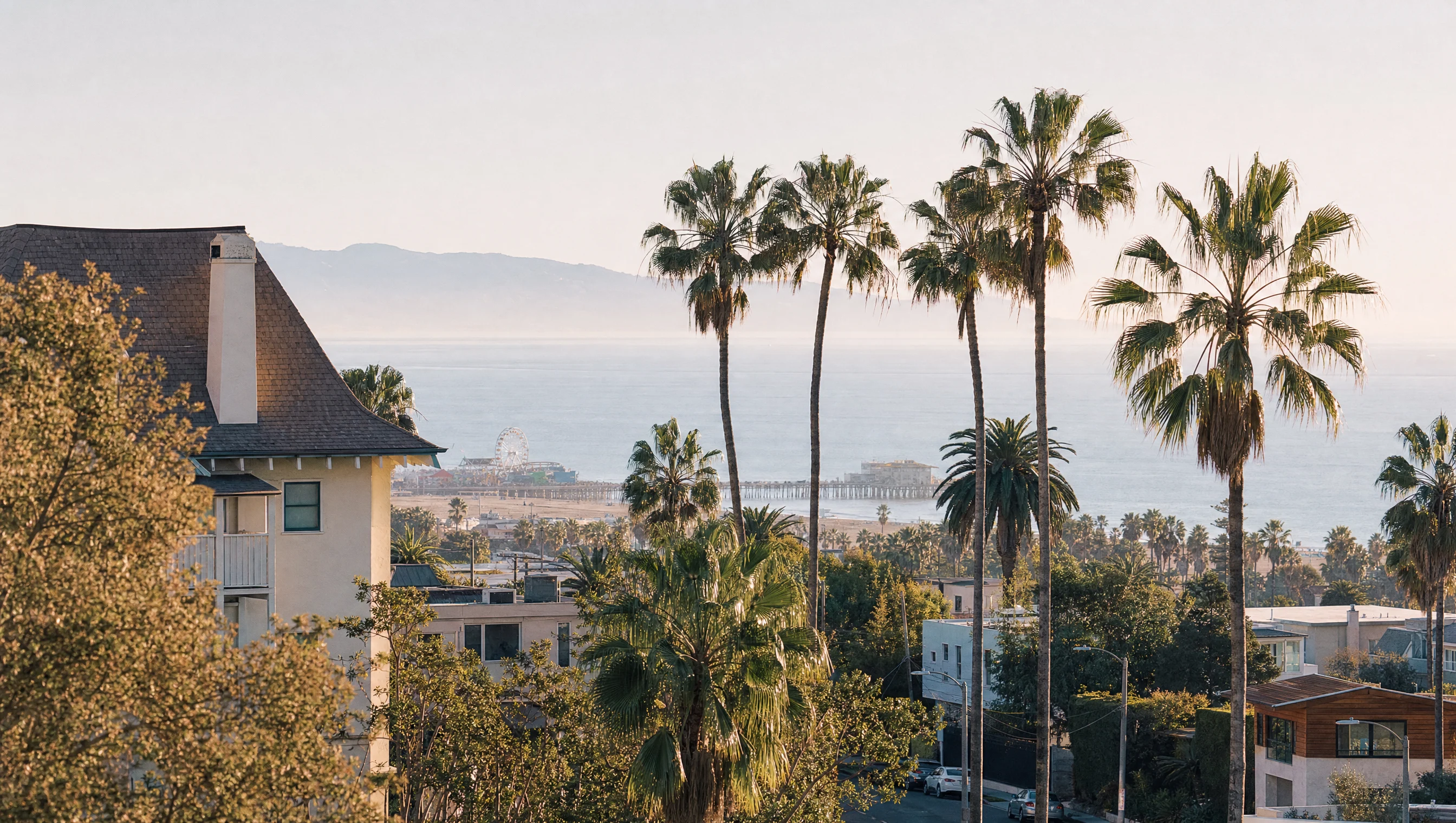
Coastal access, everyday walkability, and a high-demand rental market with strong lifestyle upside.
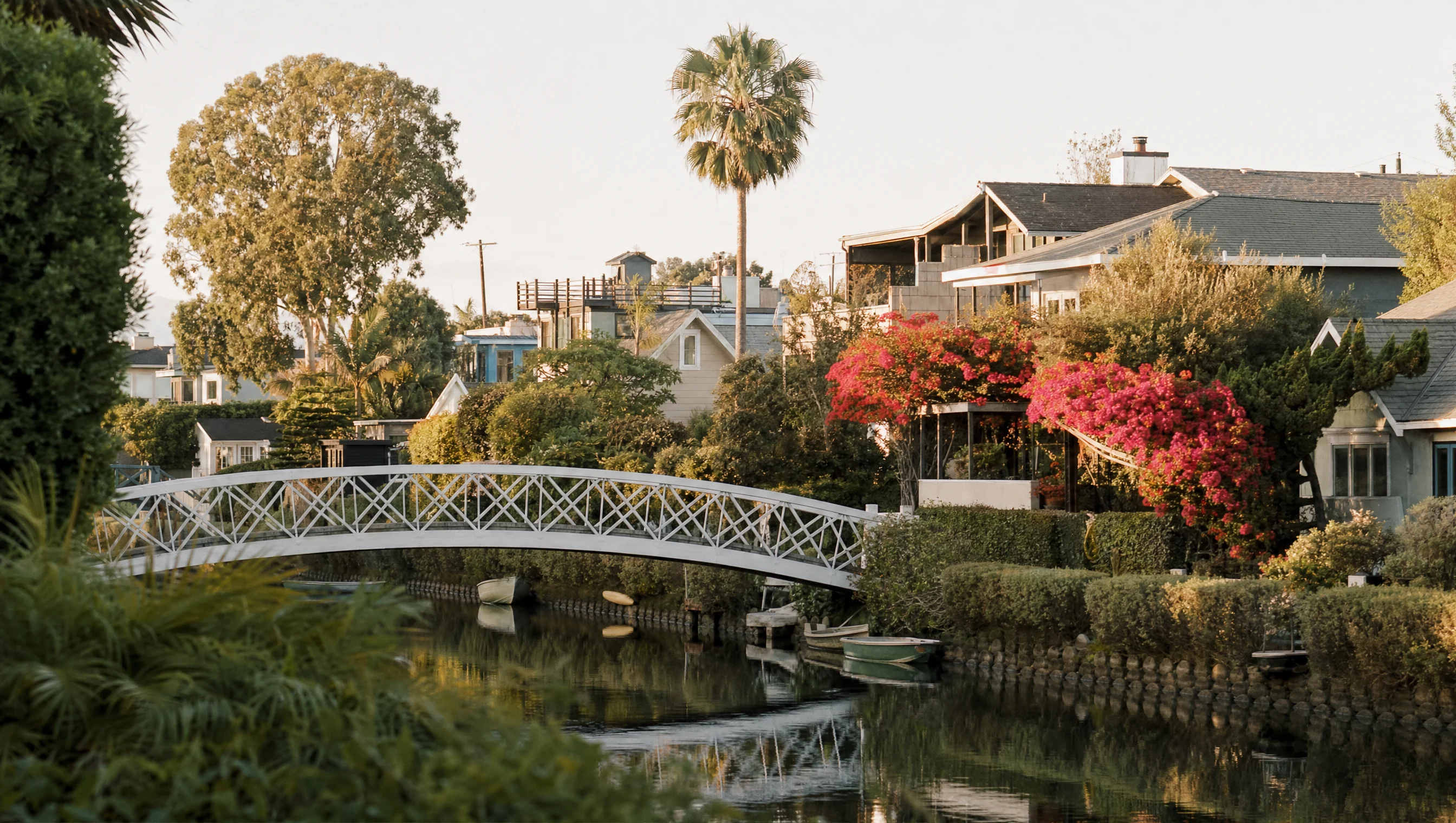
Canals, bungalows, beach proximity, and a more layered creative scene than the boardwalk suggests.
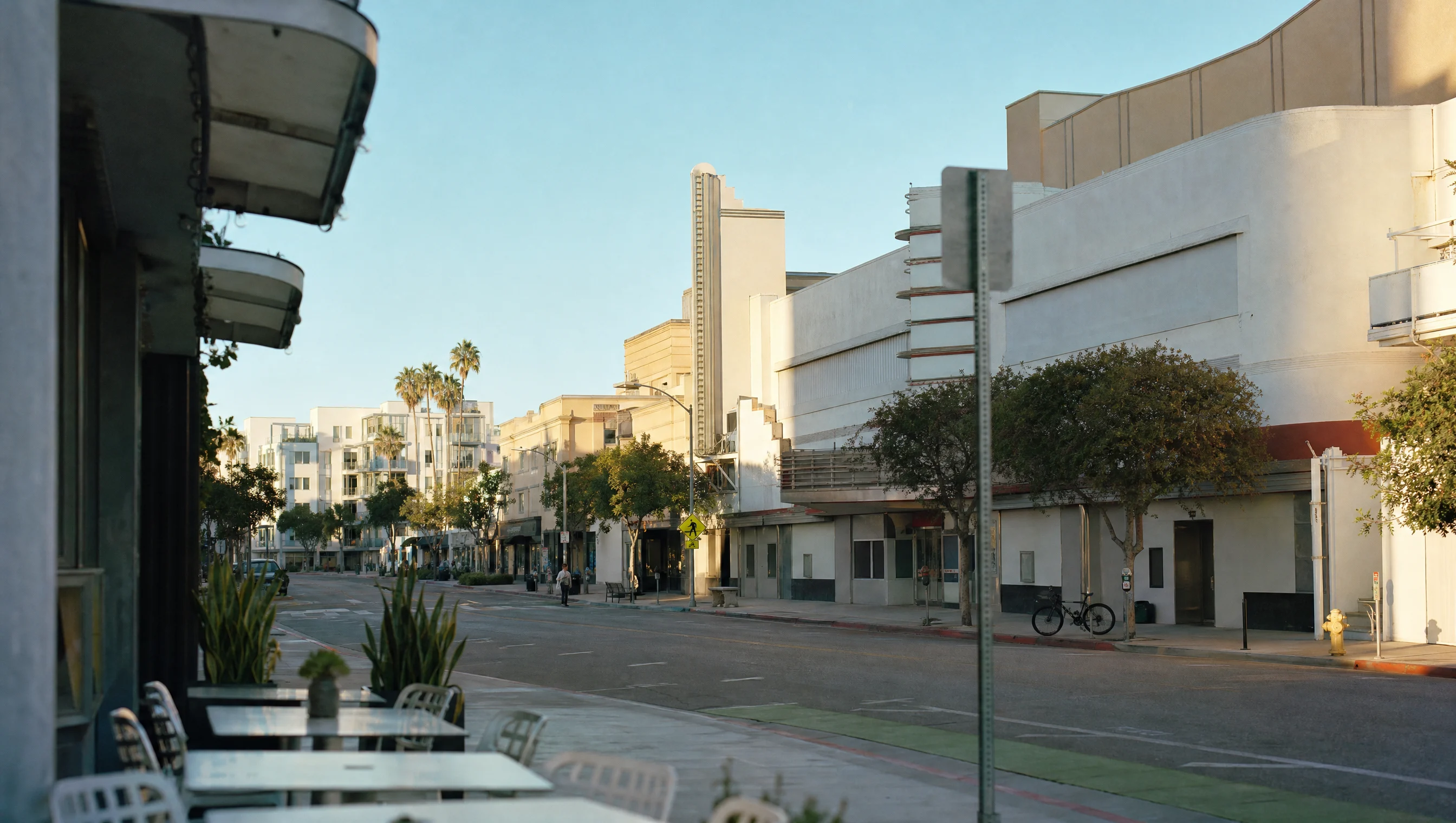
Restaurants, studios, tech offices, and a polished Westside-adjacent rental base.
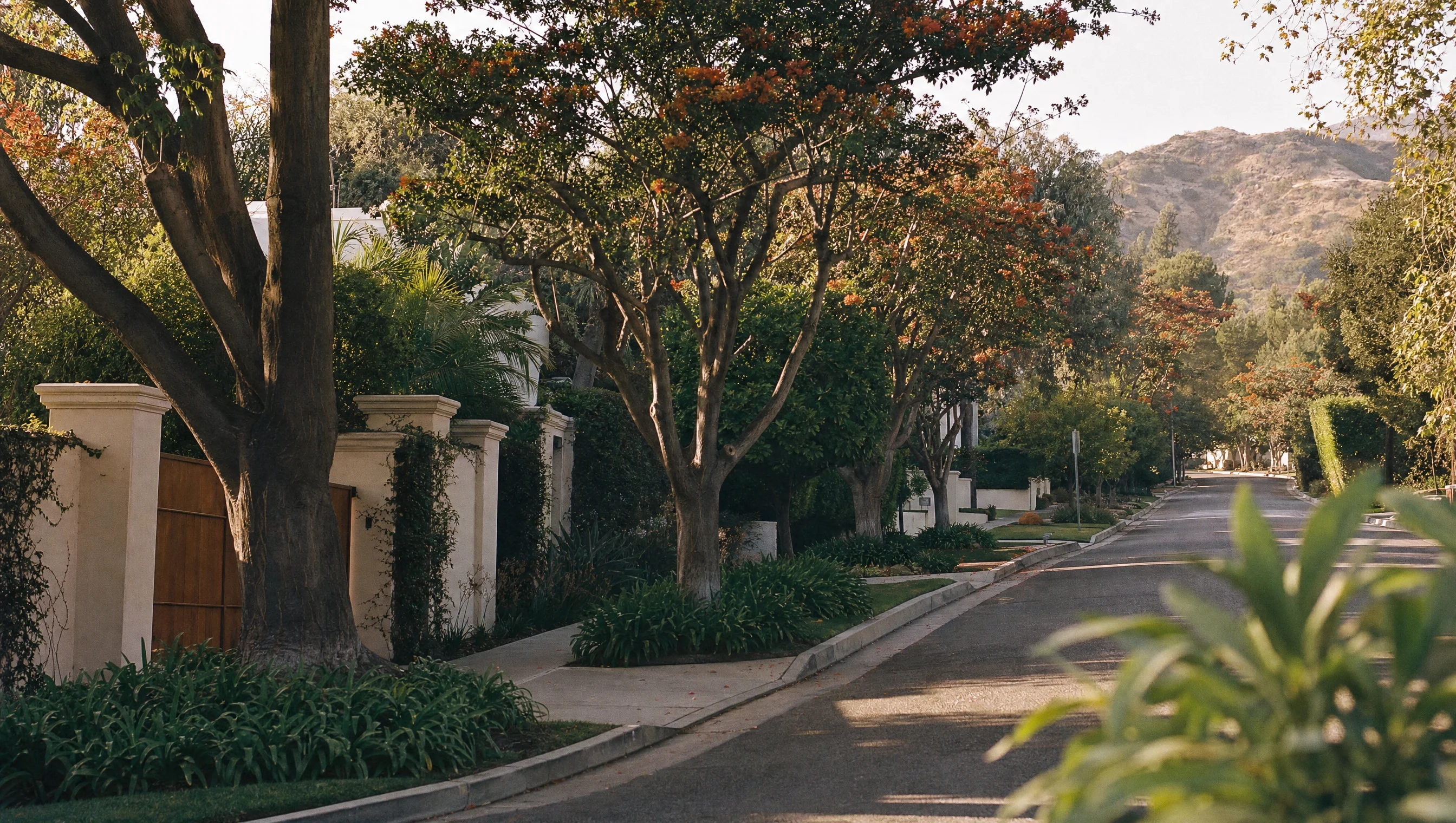
Leafy, quiet, and expensive, with a softer Westside pace and premium residential feel.
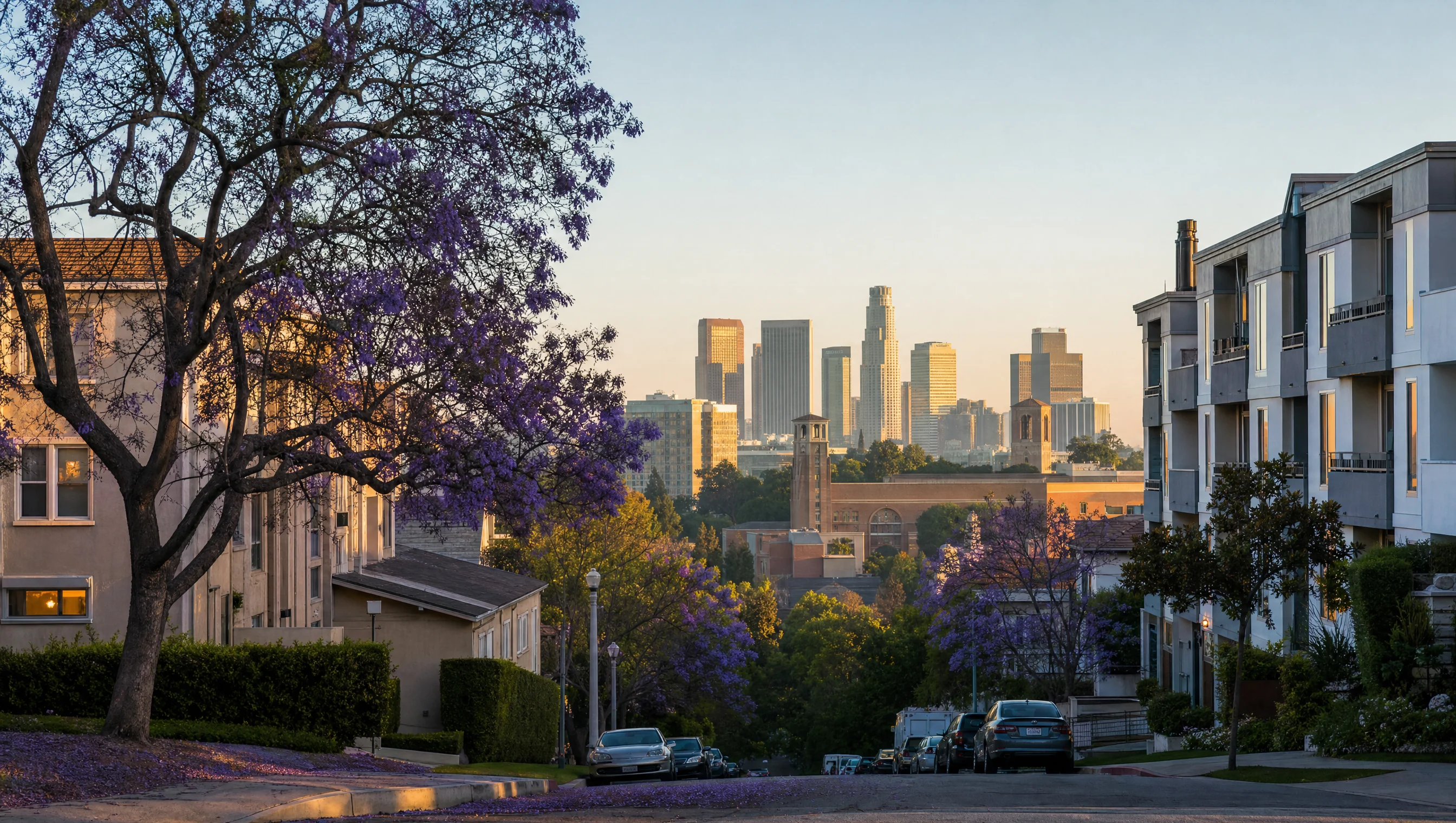
UCLA-adjacent demand, Wilshire corridor access, and a mix of student and professional renters.
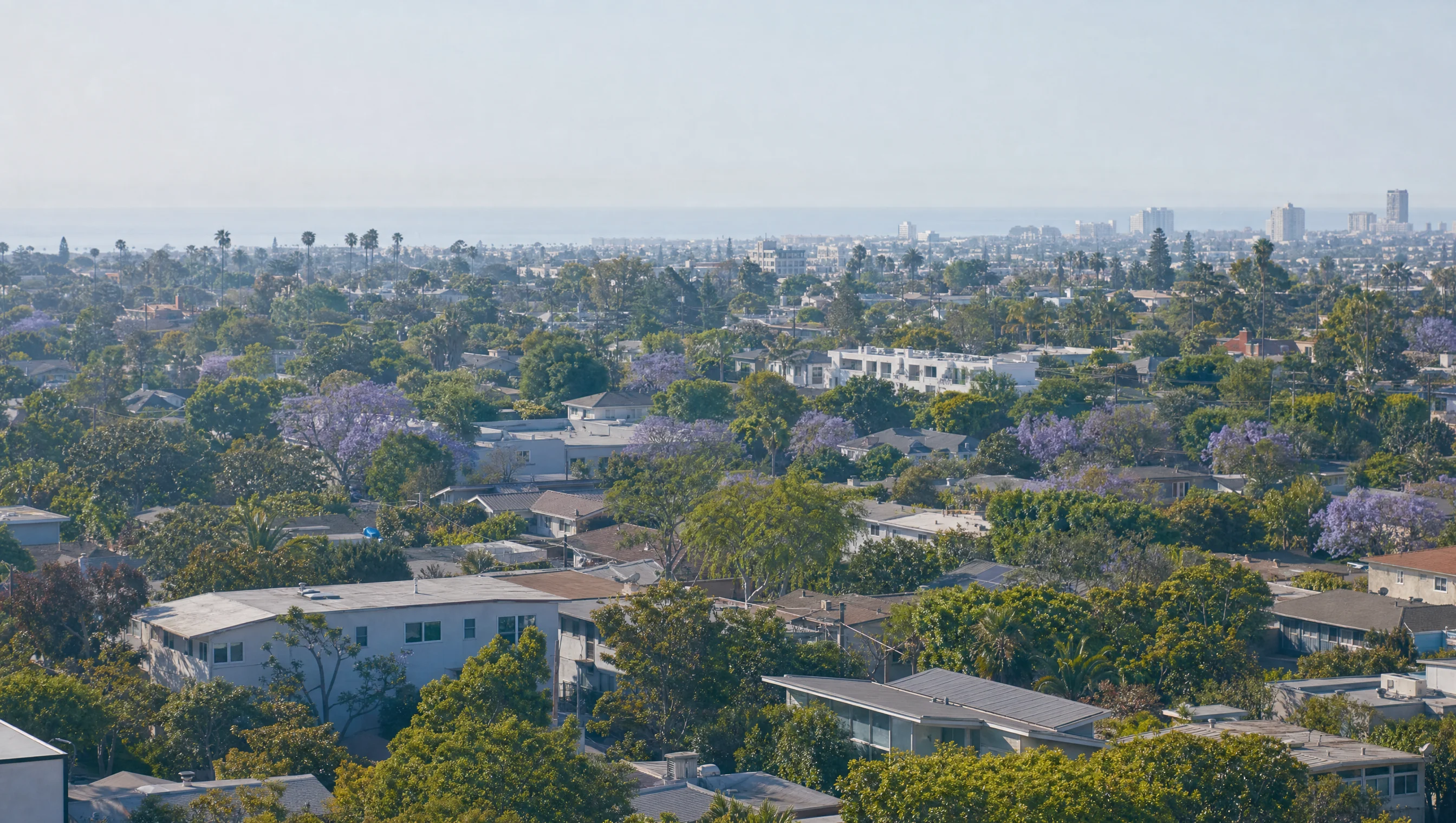
A quieter Westside value play with garden apartments, neighborhood streets, and beach proximity.
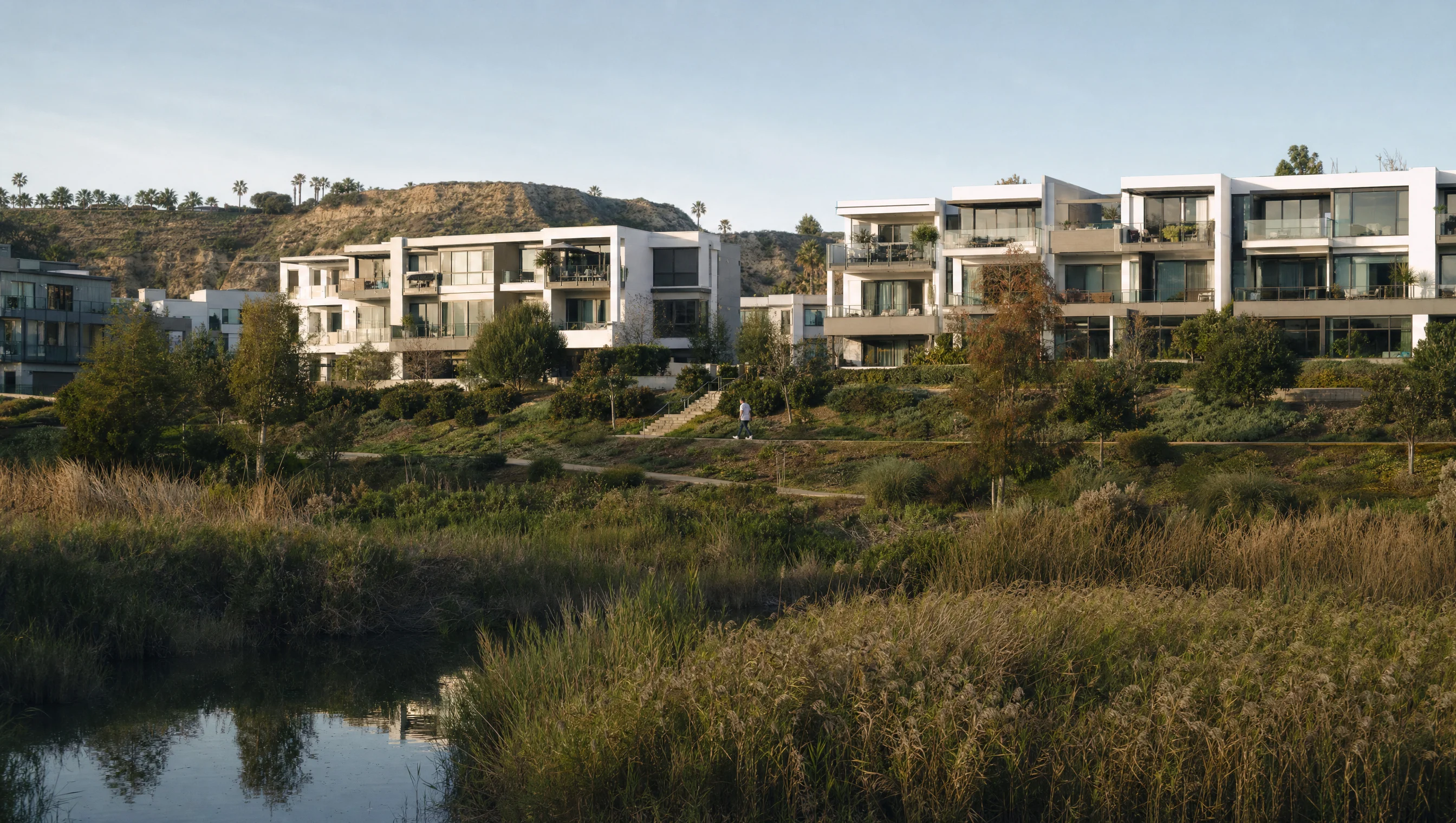
Newer buildings, easier amenities, and a planned-community feel near the coast and tech campuses.
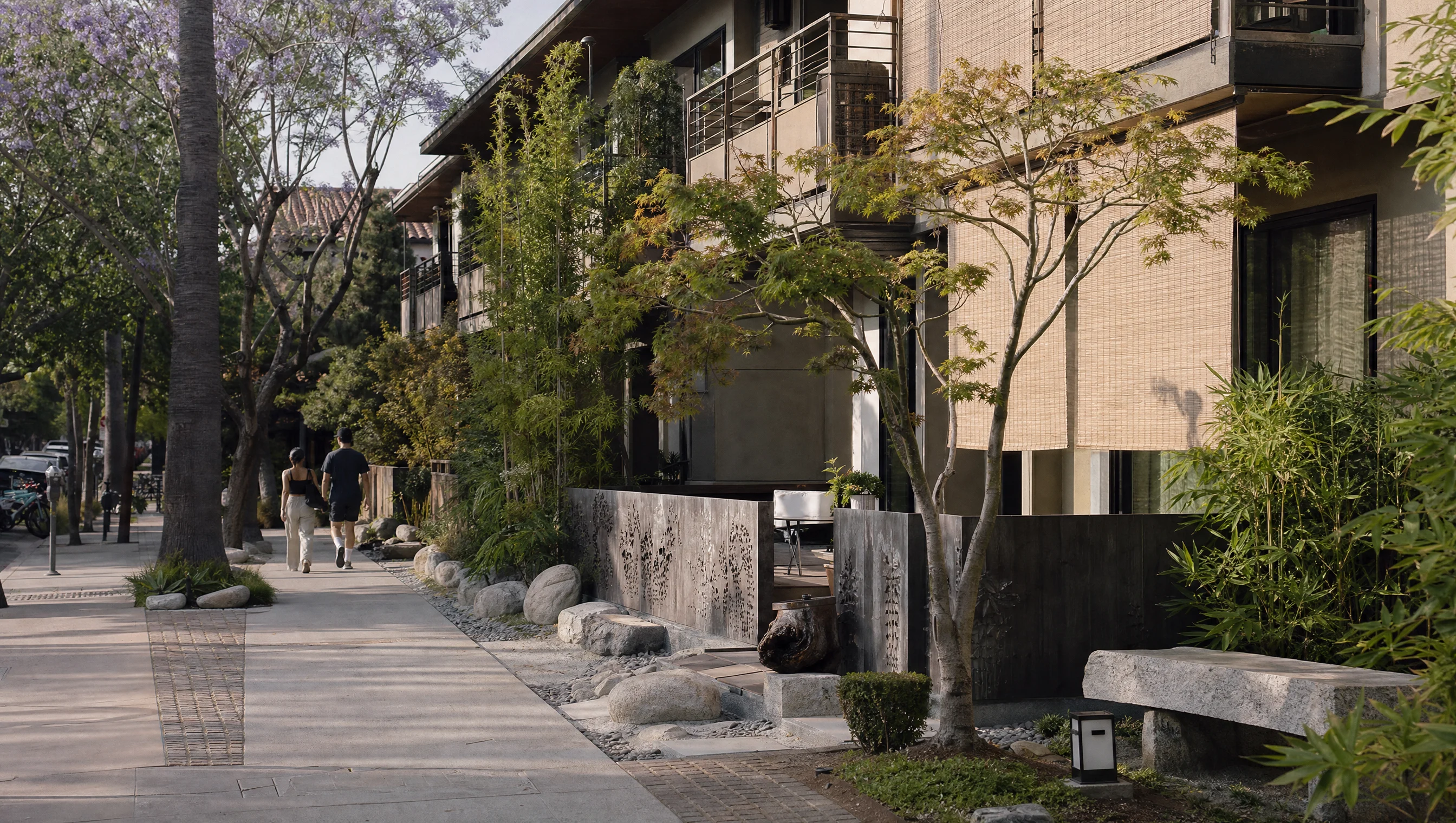
Apartment density, Sawtelle dining, and strong access to Santa Monica, UCLA, and Century City.
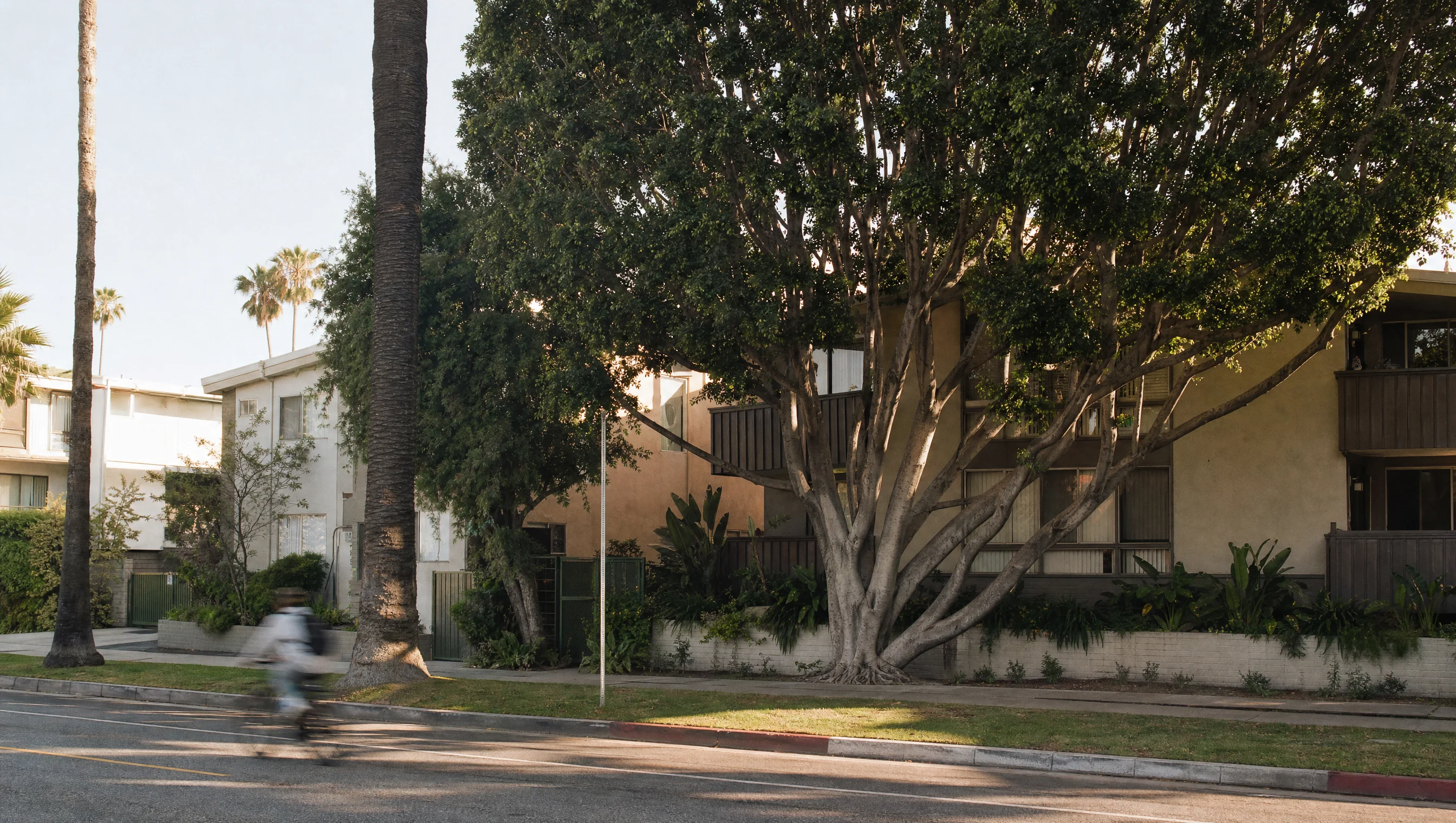
More practical than flashy, with strong Westside access and relatively attainable apartment stock.
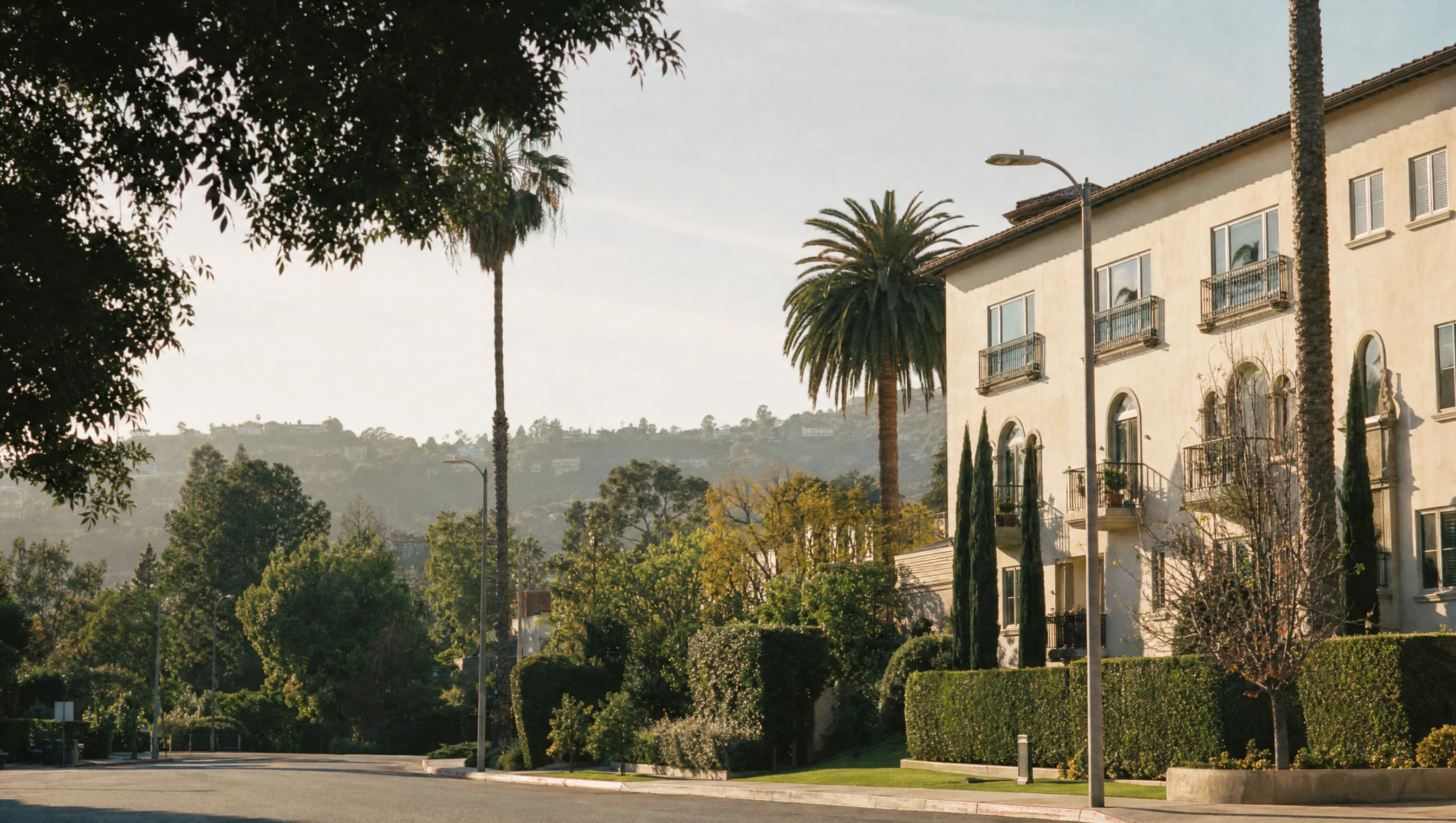
Prestige, polished streets, and a quieter rental market for clients who want central luxury.
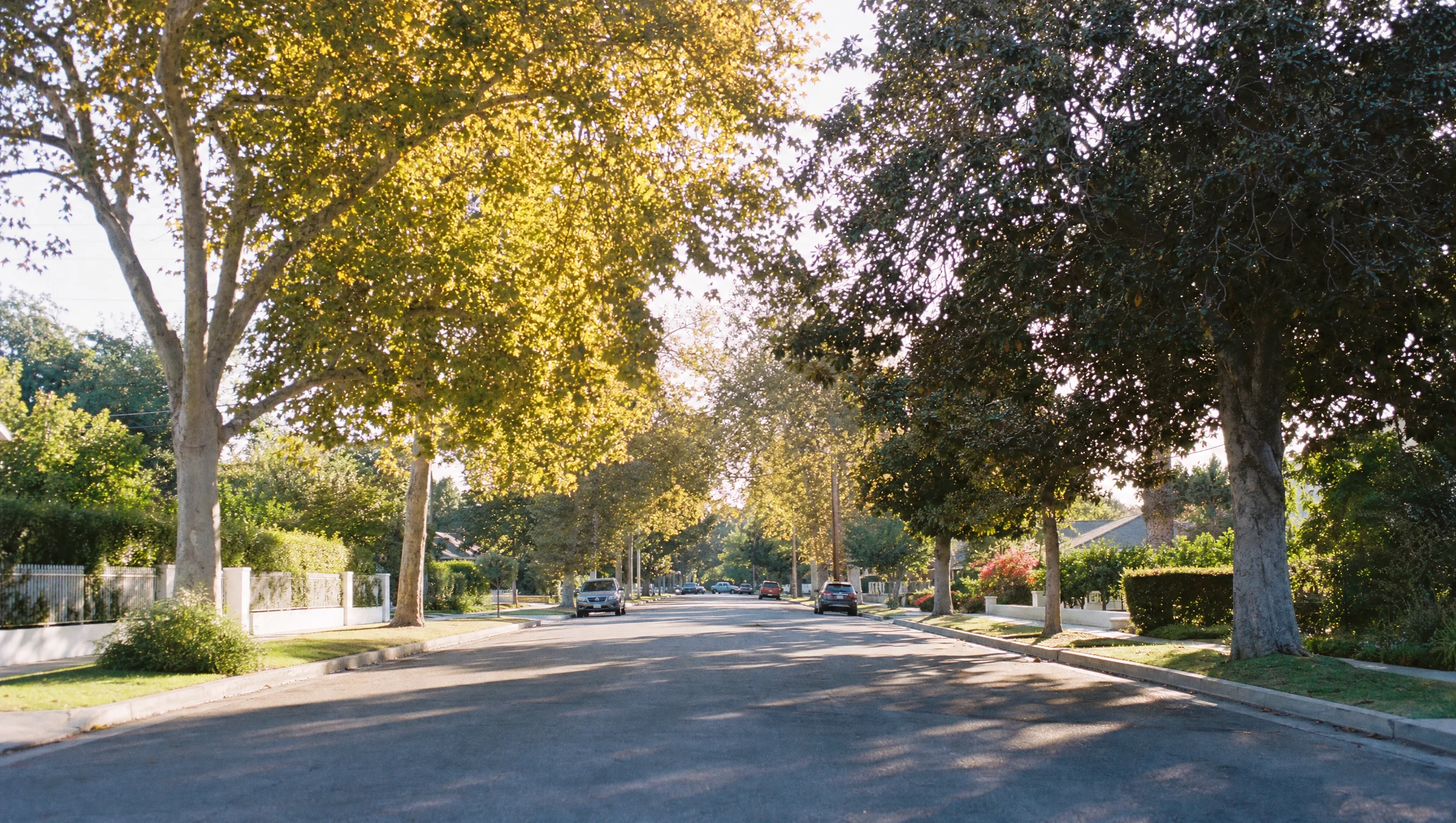
Leafy Valley living, Ventura Boulevard access, and more space for the rent than the Westside.
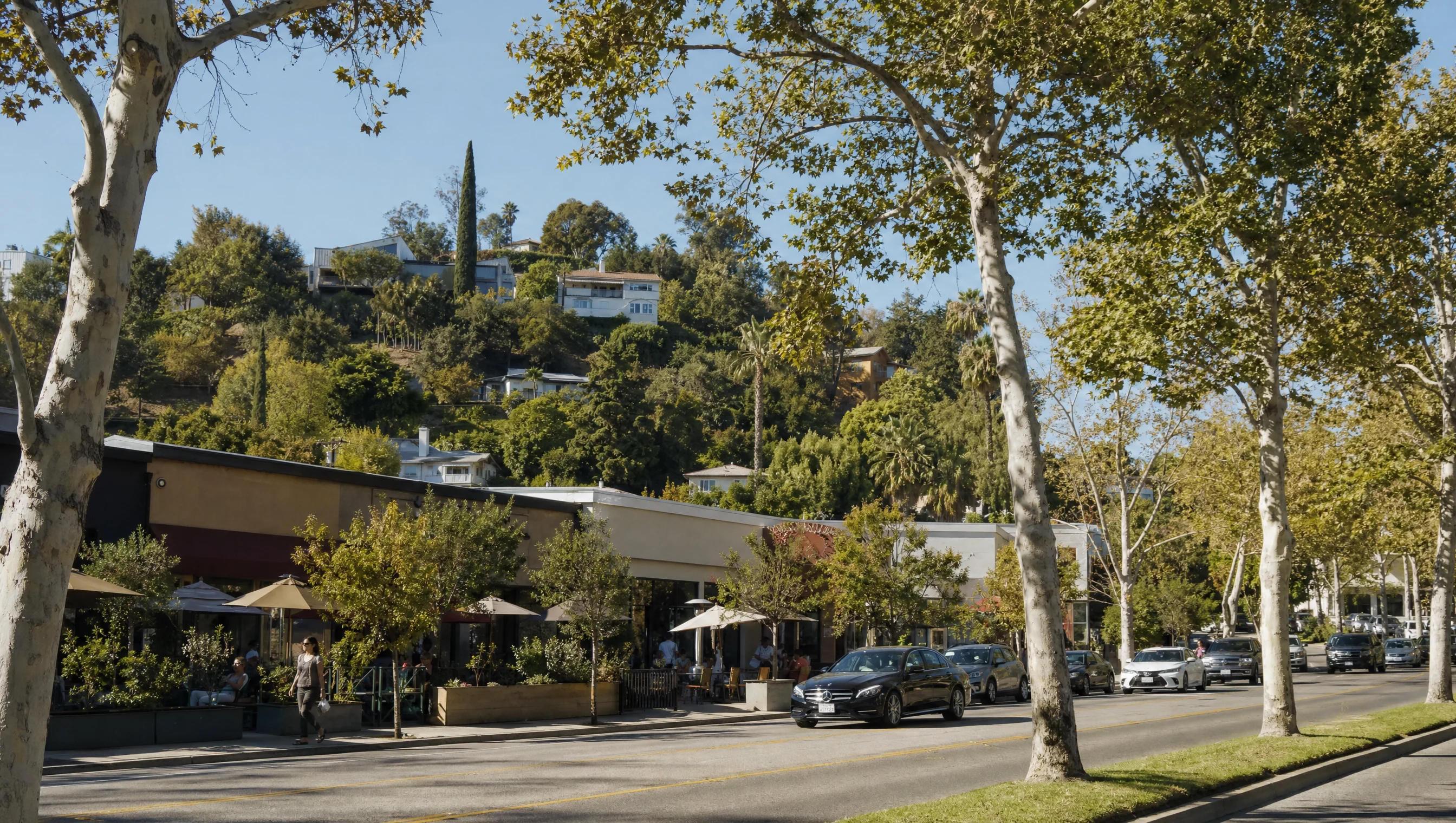
Tree-lined streets, Tujunga Village calm, and a polished Valley option close to the studios.
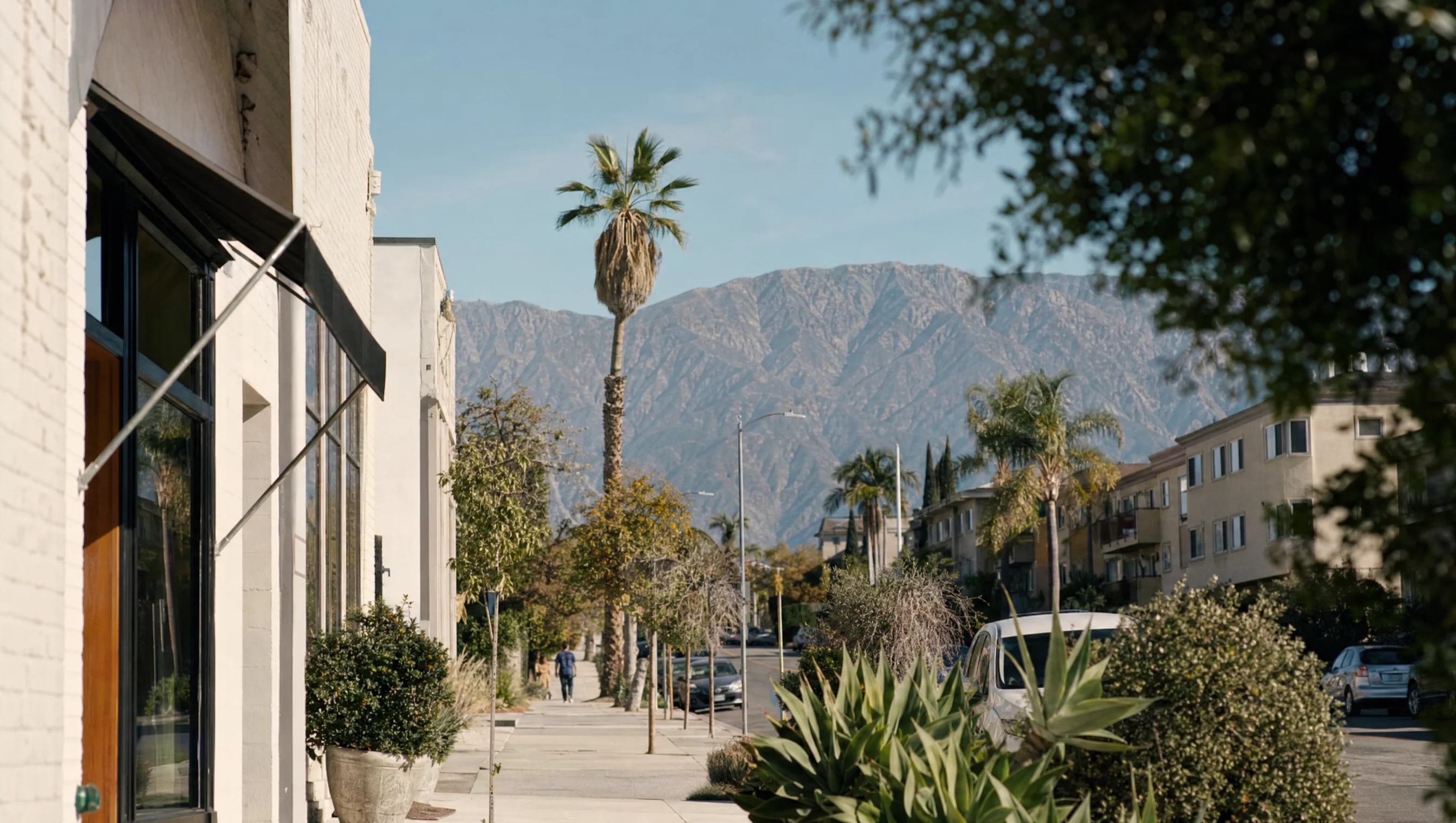
Clean streets, mountain views, and a practical media-industry base with a suburban edge.
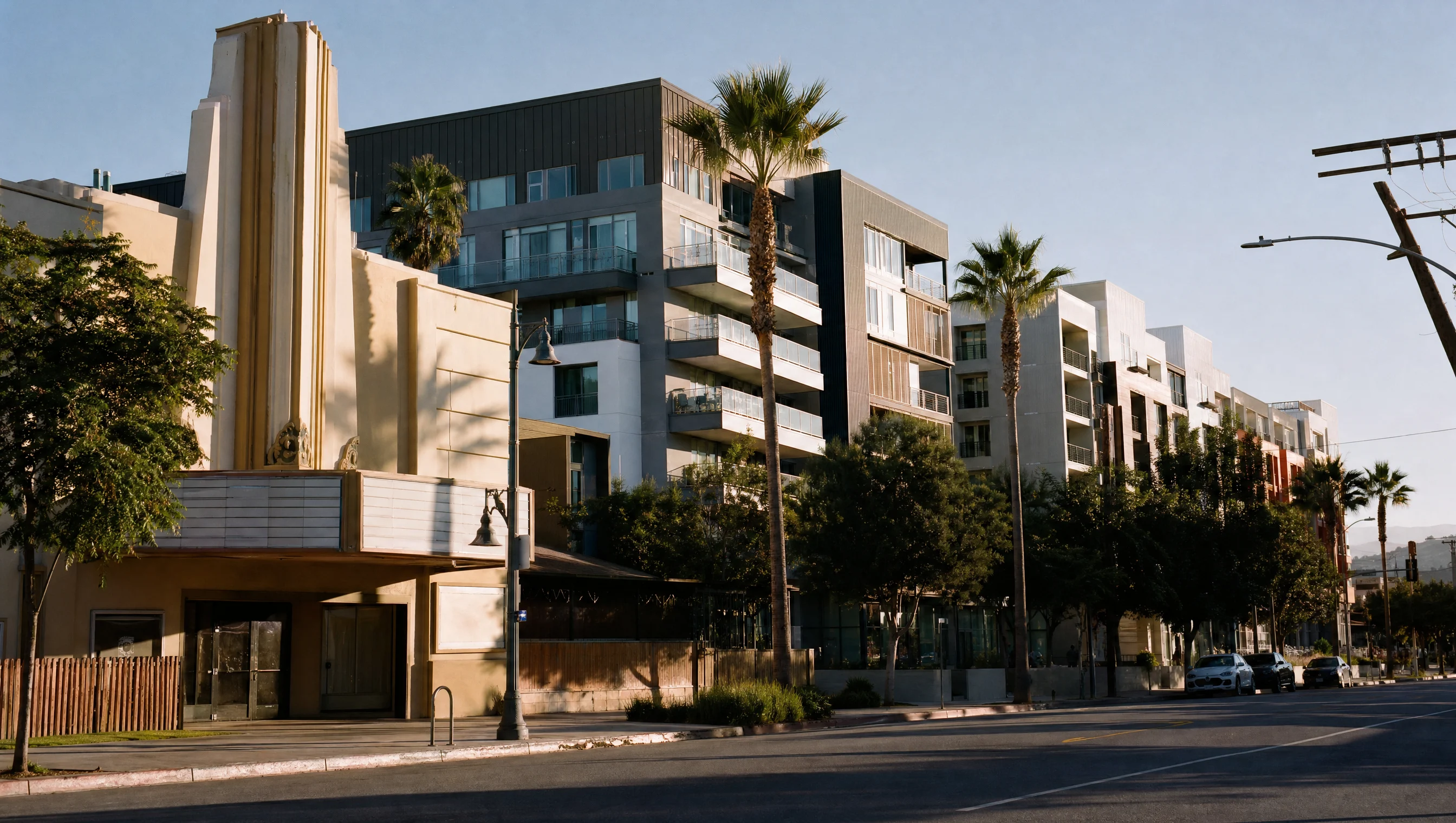
Newer rentals, arts venues, Metro access, and a more urban pocket of the Valley.
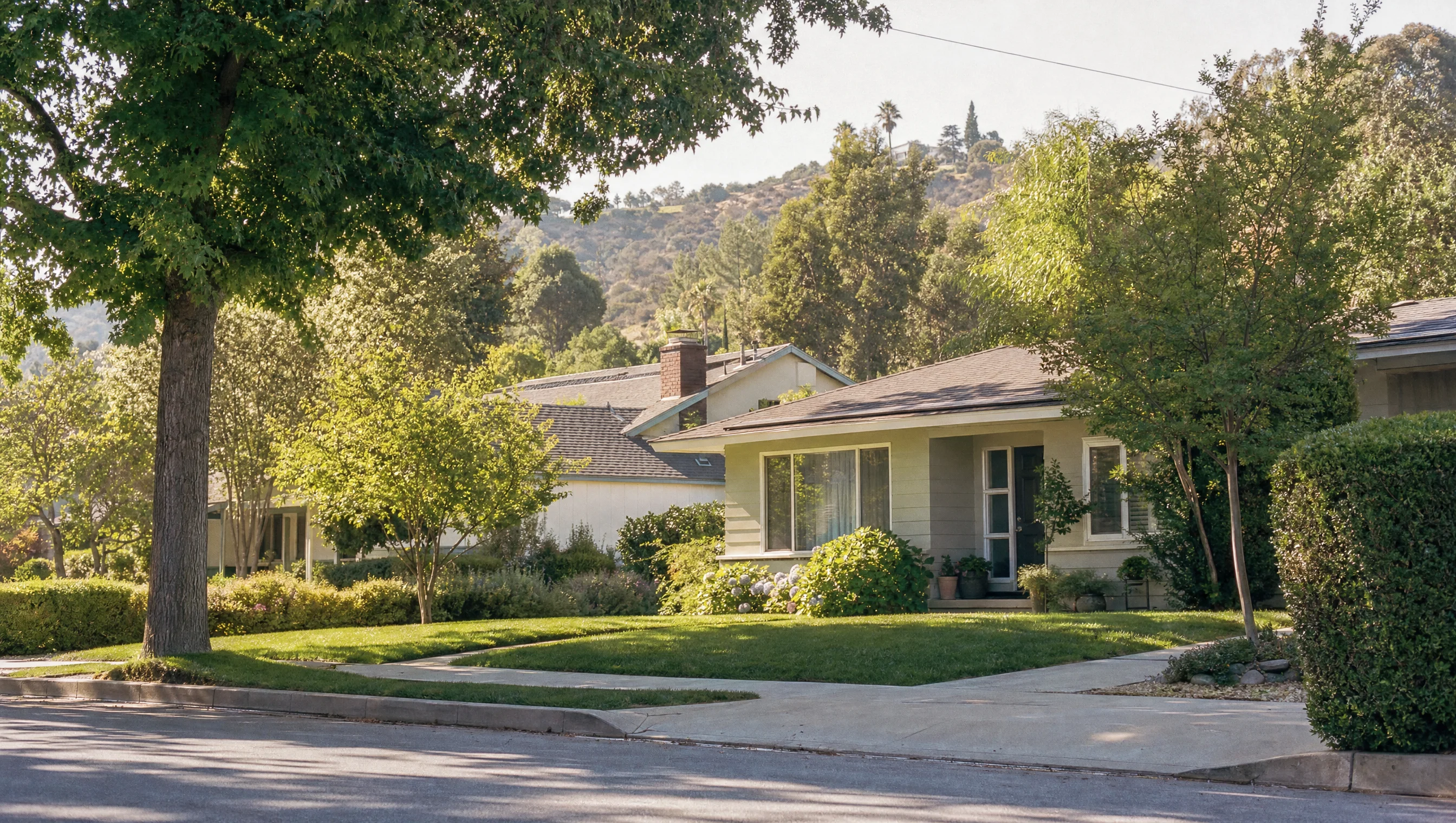
Quiet Valley streets, larger homes nearby, and a calmer choice for space-focused renters.
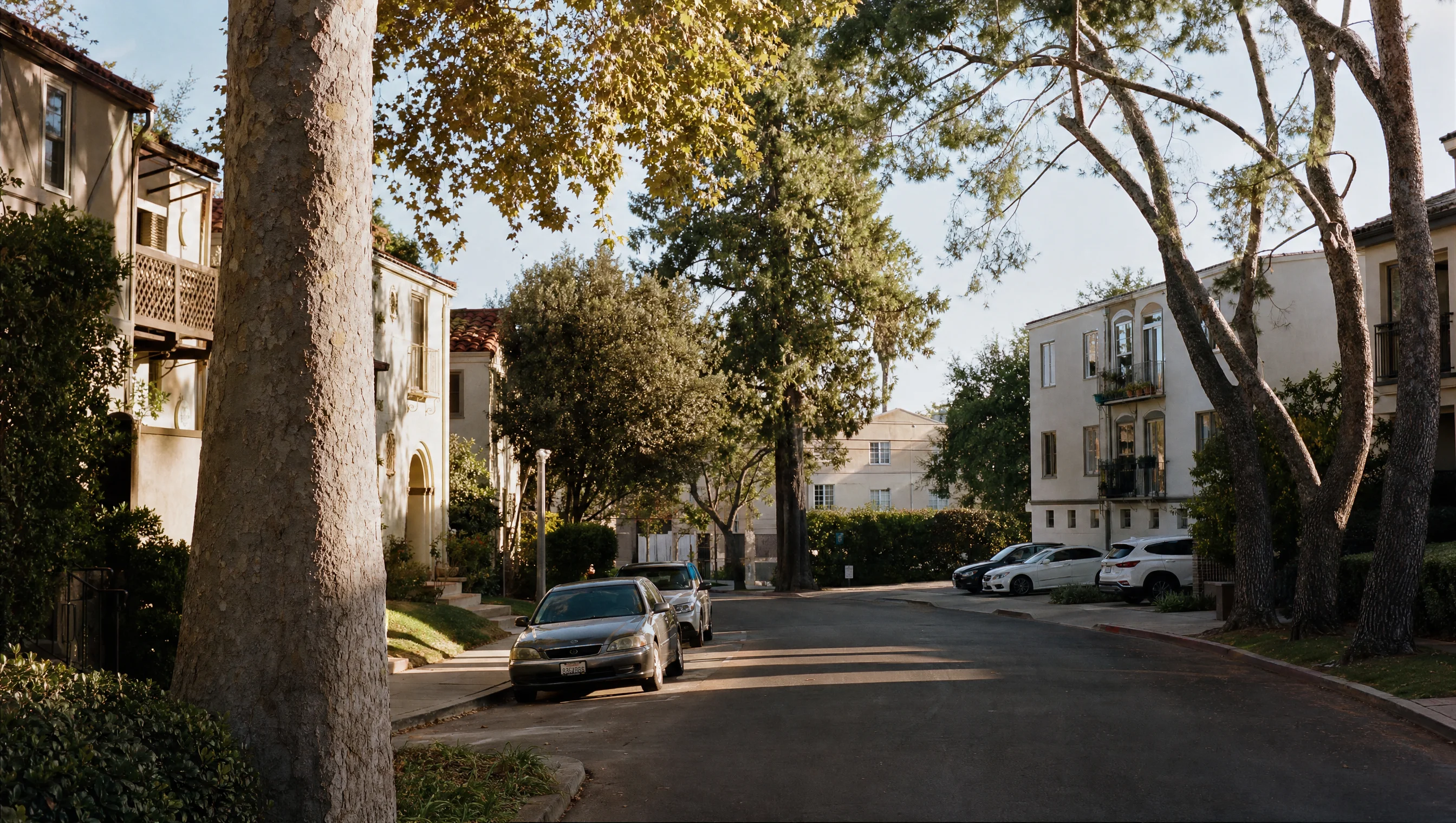
Small-neighborhood calm, mature trees, and studio-adjacent convenience without the bustle.
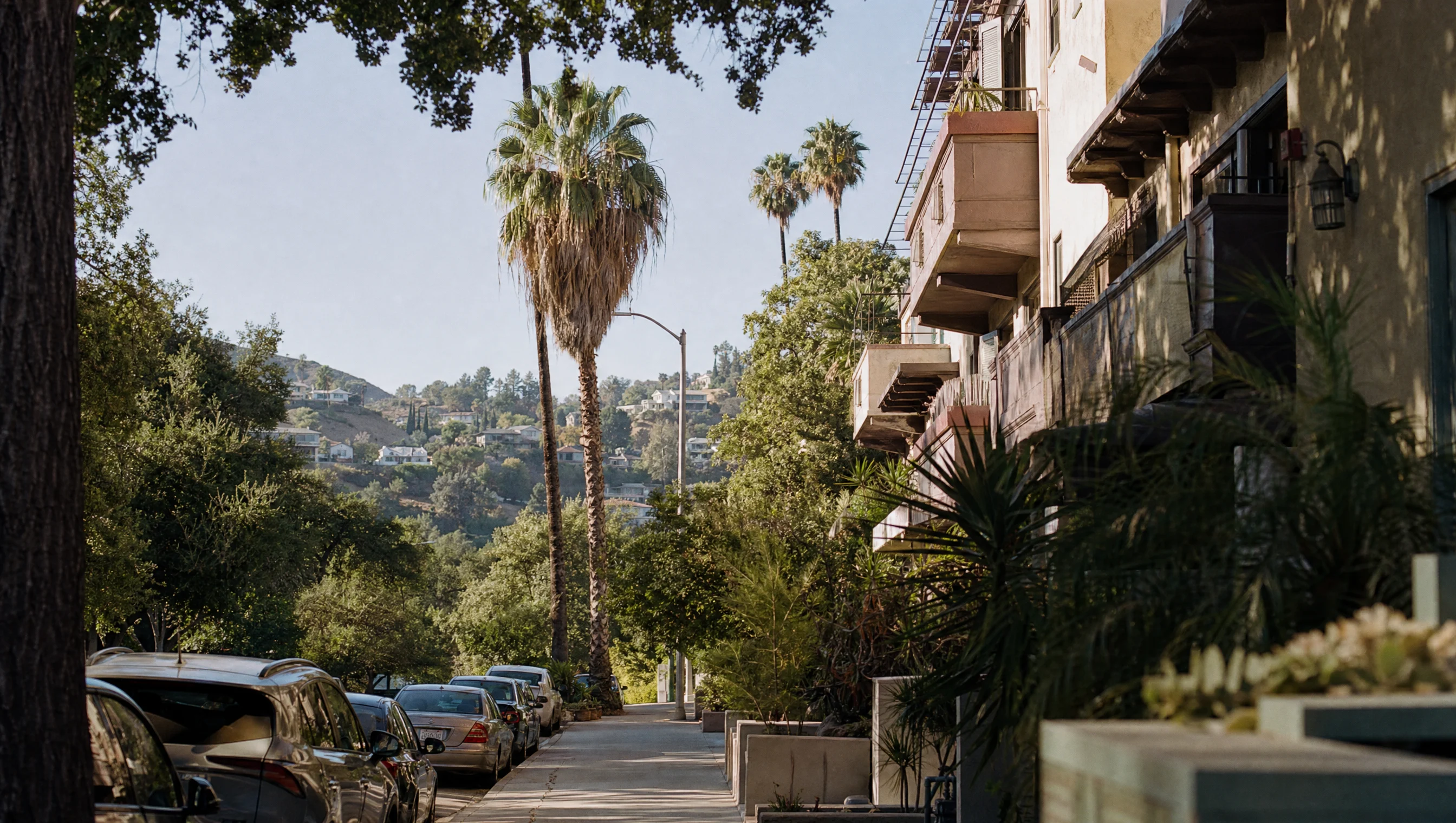
Hillside apartments, strong services, and a quieter city-within-the-city rental option.
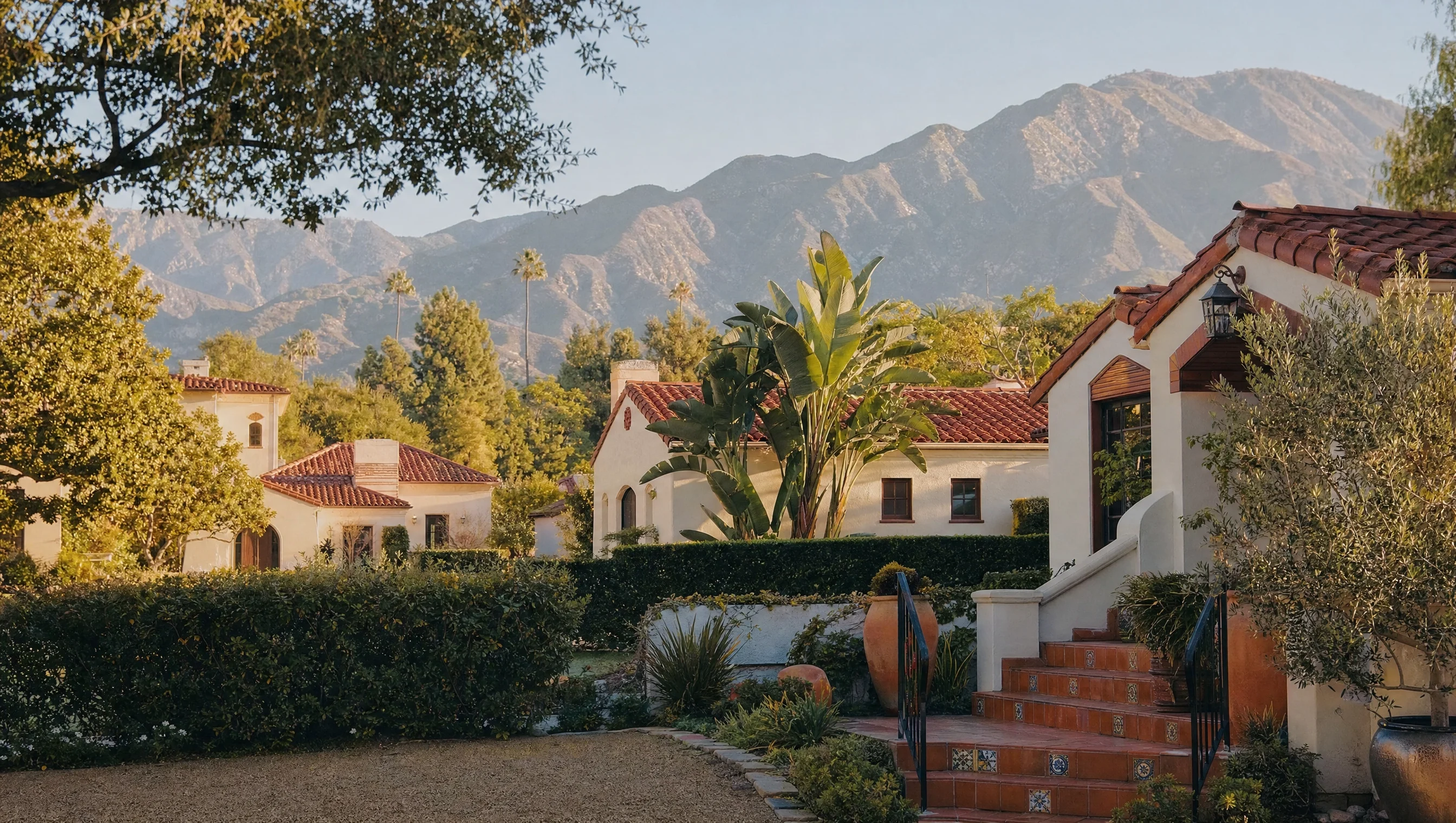
Historic architecture, mountain light, and a more independent city rhythm outside central LA.
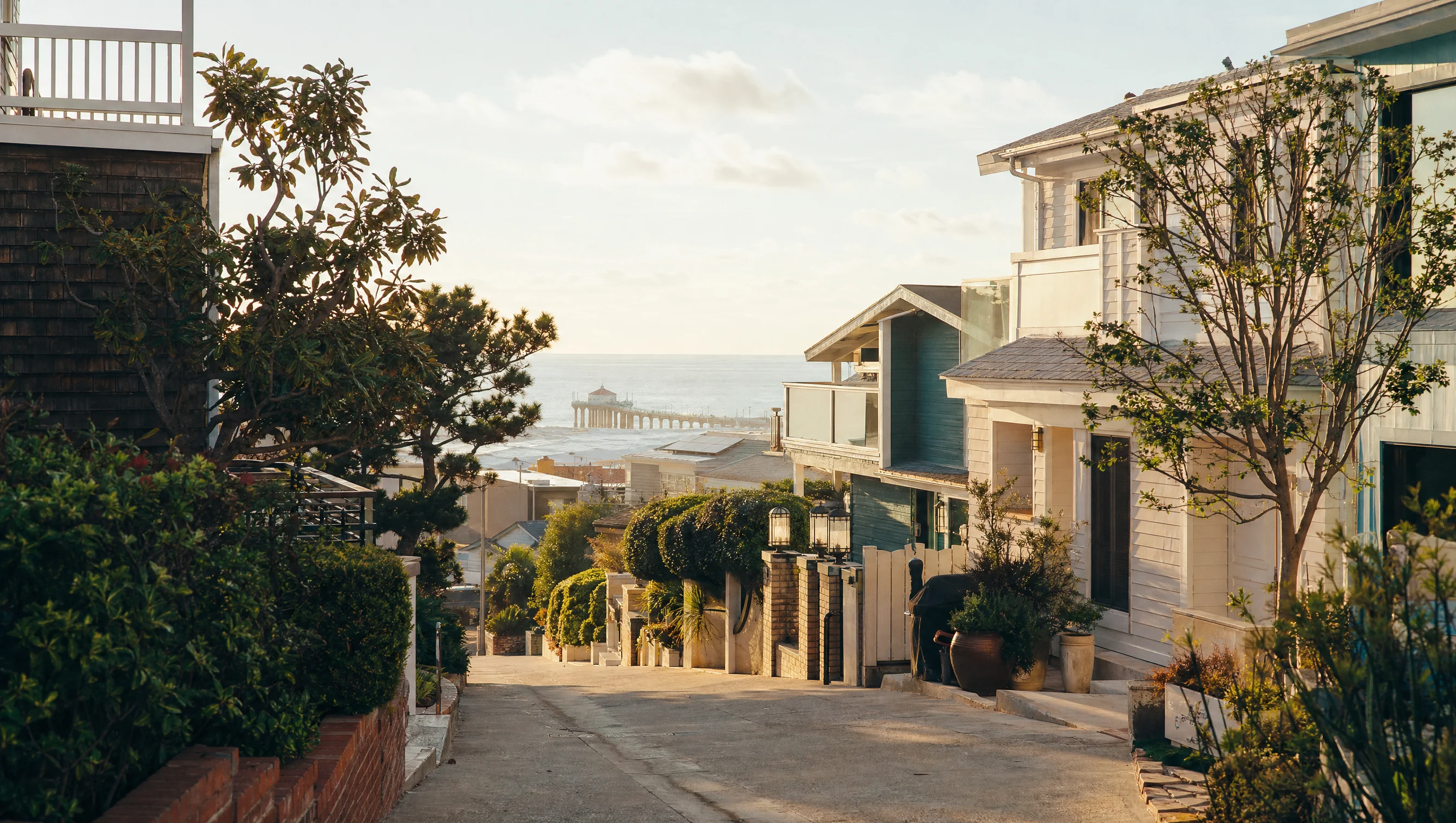
Premium coastal living, walk streets, and one of the most polished beach-city rental markets.
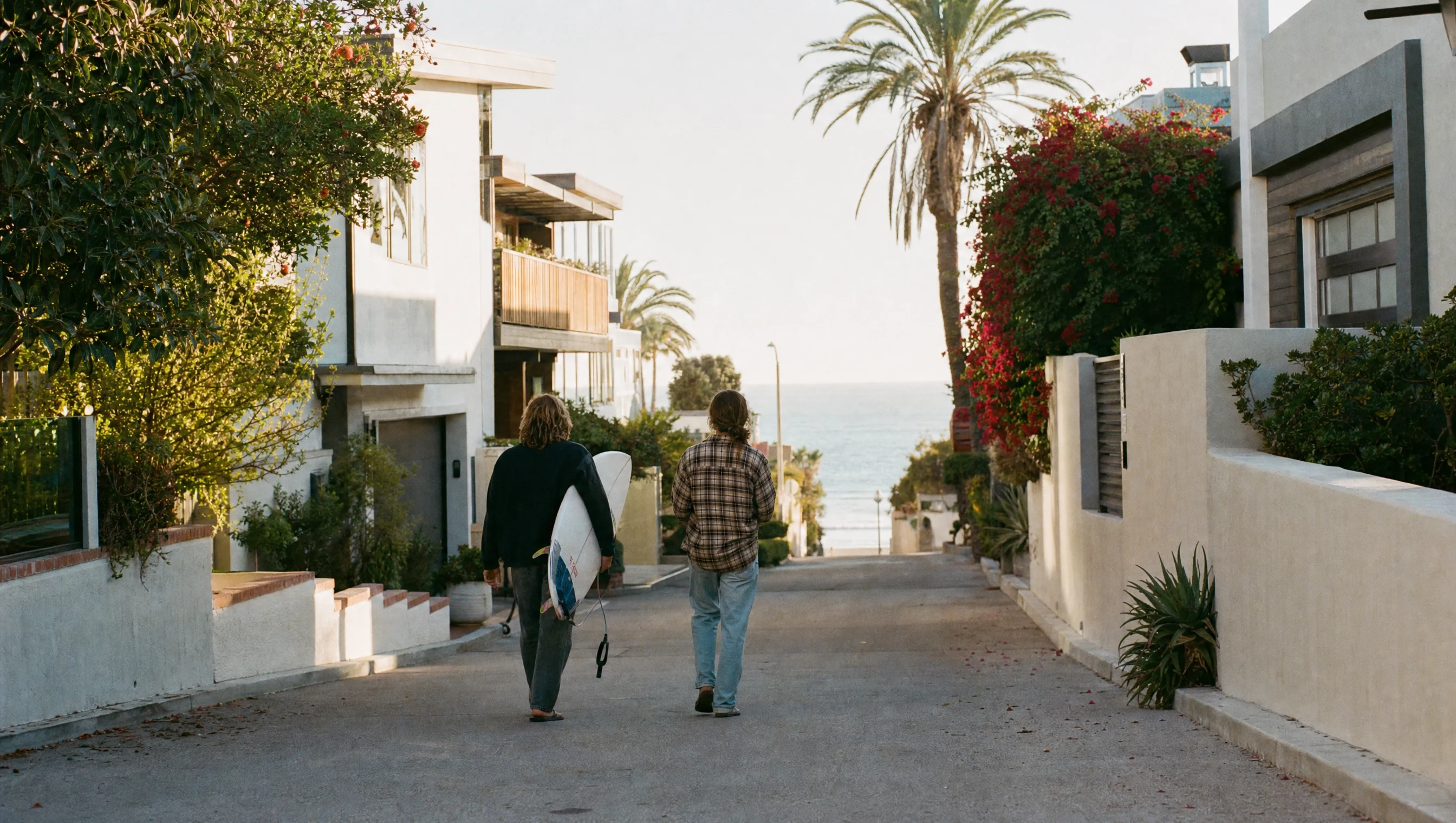
Beach access, a more casual social scene, and rentals that lean coastal rather than formal.
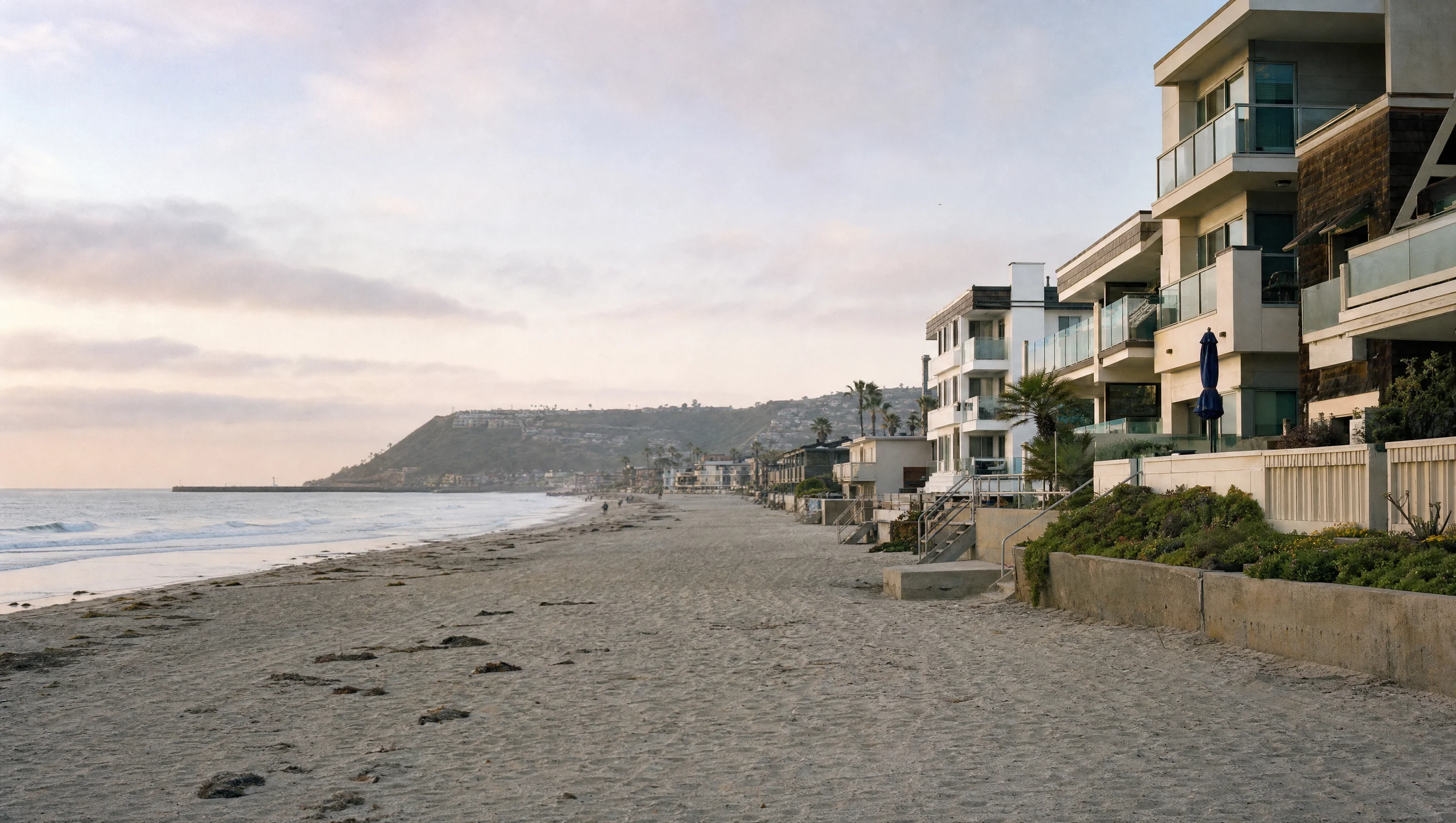
Coastal air, harbor access, and a slightly more practical South Bay rental calculation.
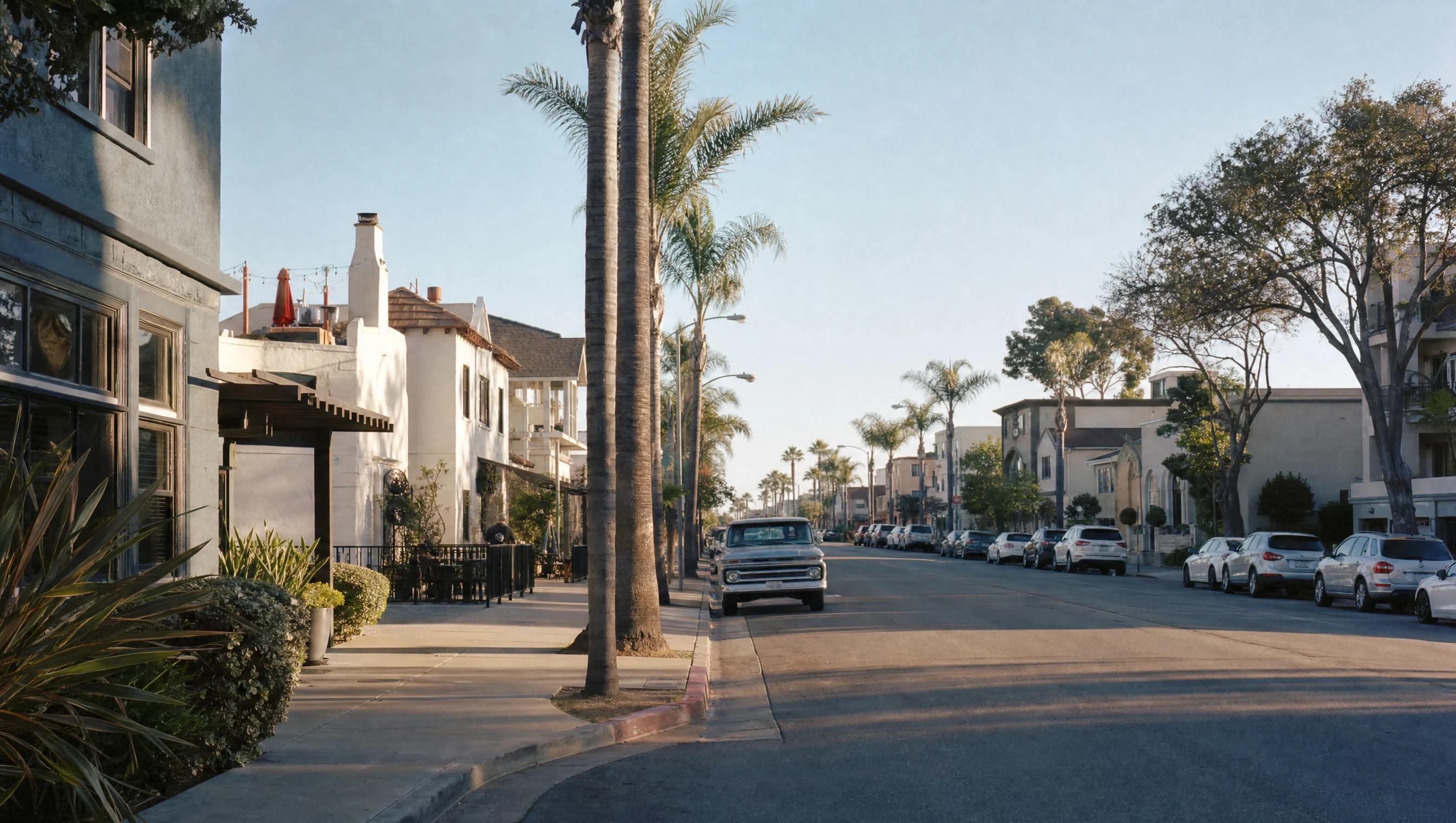
A small-town coastal grid with easier logistics and a calmer pace than most of the Westside.
Westside cities have different rent control rules. Where you sign matters.
Figures current as of mid-2026. Caps adjust annually; verify before signing.
Roughly 624,000 units built before October 1978. Annual increase capped at 3%. Check coverage at ZIMAS.
Units built before April 1979. Annual cap of 2.3% or max $60. Check Santa Monica's MAR database.
Units built before July 1979. Annual increase capped at 2.25%.
Units built before February 1995. Annual increase capped at 3%.
Units built before February 1995. Annual increase capped at 3.25%.
State-level cap: 5% + CPI (max 10%) per year. Applies to most properties 15+ years old statewide. If your unit is also covered by a local ordinance, the stricter local cap applies. Rent caps are one piece of your protections; see Know Your Rights for the rest.
Coverage depends on the city, the ordinance, and the building's age. Bring the address and we can talk it through.
Schedule a Free ConsultationThe year a building was constructed tells you a lot about what to expect.
Likely rent-controlled. Often have hardwood floors, larger rooms, and character you won't find in newer builds.
Expect plumbing or electrical quirks, shared walls with sound transfer, and older appliances. Many have been remodeled inside despite dated exteriors. Tour in person.
No rent control in most cases, but more likely to have garages, updated electrical/plumbing, and central systems. Often managed by smaller landlords, a good middle ground between character and functionality.
Smaller units despite premium pricing. Amenity-heavy (gym, rooftop, coworking) but living space is often less generous than older buildings. Corporate management with modern systems (AC, in-unit laundry, EV charging) but higher rent and less negotiation flexibility.
Neither should scare you off, but both require preparation.
Check if your building is on the soft-story retrofit list through LADBS. These buildings (often with open ground-floor parking) are more vulnerable.
Standard renters insurance does NOT cover earthquake damage. Coverage through the CEA costs roughly $15 - $30/month.
Build a 72-hour emergency kit: water, flashlight, first aid, phone charger, document copies. Keep one under your bed, one in your car.
Know your evacuation routes before you need them. Hillside and canyon-adjacent neighborhoods carry the highest risk.
Post-Palisades fire (January 2025): Rents can't be raised more than 10% in disaster-declared zones. California law also restricts eviction and rent increases for displaced tenants.
Get Started
Whether you're new to the city or new to renting here,
we can help.